What casement windows are
Casement windows hinge on the side and swing outward with a crank handle. That simple setup gives you benefits that other window styles can't quite match: full ventilation when you open them, zero effort if the window is above a sink or counter, and a tight seal when they're closed because the sash presses directly against the frame.
They work especially well in spots where you need maximum airflow or where reaching up to slide or lift a window would be awkward. Kitchen windows over sinks are the most common use, but they also make sense in bathrooms, along walkways where you want ventilation without taking up indoor space, and paired with fixed picture windows in living areas.
This page walks through what casement windows are, where they fit best, and how they compare to sliders and double-hung styles. We'll also cover the energy-efficient features available and basic operation tips. We install custom-made vinyl casement windows that handle Midwest weather without the maintenance wood requires.
What is a
casement window?
A casement window is hinged on one side and opens outward like a door. You turn a crank handle inside, and the window swings out. That's it. No lifting, no sliding—just a simple turn of the handle.
The way it works gives you a few things other window styles don't. When you open a casement, the entire window opening is clear. There's no sash in the way, no center rail blocking part of the view or the airflow. You get 100% of the opening for ventilation, which matters when you're trying to clear steam from a bathroom or pull a breeze through a bedroom.
When you close it, the sash presses tight against the frame. That compression creates a seal that's harder to achieve with windows that slide past each other. Sliding styles—whether they move up and down or side to side—rely on weatherstripping along the edges, but there's always a gap where the two sashes meet. Casements lock against the frame, so air has a tougher time getting through.
The glass area is also unobstructed. Picture windows give you the same clear view, but they don't open. Casements give you that wide, clean look and the option to swing the window out when you need air.
Why vinyl works: We install vinyl casement windows. Vinyl handles moisture without rotting, doesn't need painting, and holds up through freeze-thaw cycles. The frames stay stable, the crank mechanism lasts, and you're not dealing with seasonal warping or swelling like you would with wood.
Where do casement windows work best?
Over kitchen sinks
Reaching up to crank a handle is easy when you're at the sink. Casements give you full ventilation while you're cooking or cleaning. You can angle the window to catch a breeze or push cooking smells out.
Bathrooms
Mount them higher on the wall for privacy while still getting ventilation. The full opening clears steam fast and helps prevent mold and keeps mirrors from fogging up as long.
Bedrooms and living rooms
Casements pair well with fixed picture windows. The picture window gives you a wide, unbroken view. The casement next to it provides the airflow.
Tight walkways, decks, and patios
Casements swing outward, so they don't take up any indoor space when they're open. Ensure there's clearance outside; if not, sliders might make more sense.
How do casement windows compare to
other styles?
Casement vs double-hung
Bottom line: If you need maximum airflow, easy operation over counters, and the tightest seal, casements win. If you need a window that doesn't project outward, double-hung works better.
Casement vs slider
Bottom line: Casements give you better ventilation and a tighter seal. Sliders are better when exterior clearance is limited.
Financing Your Casement windows Projects
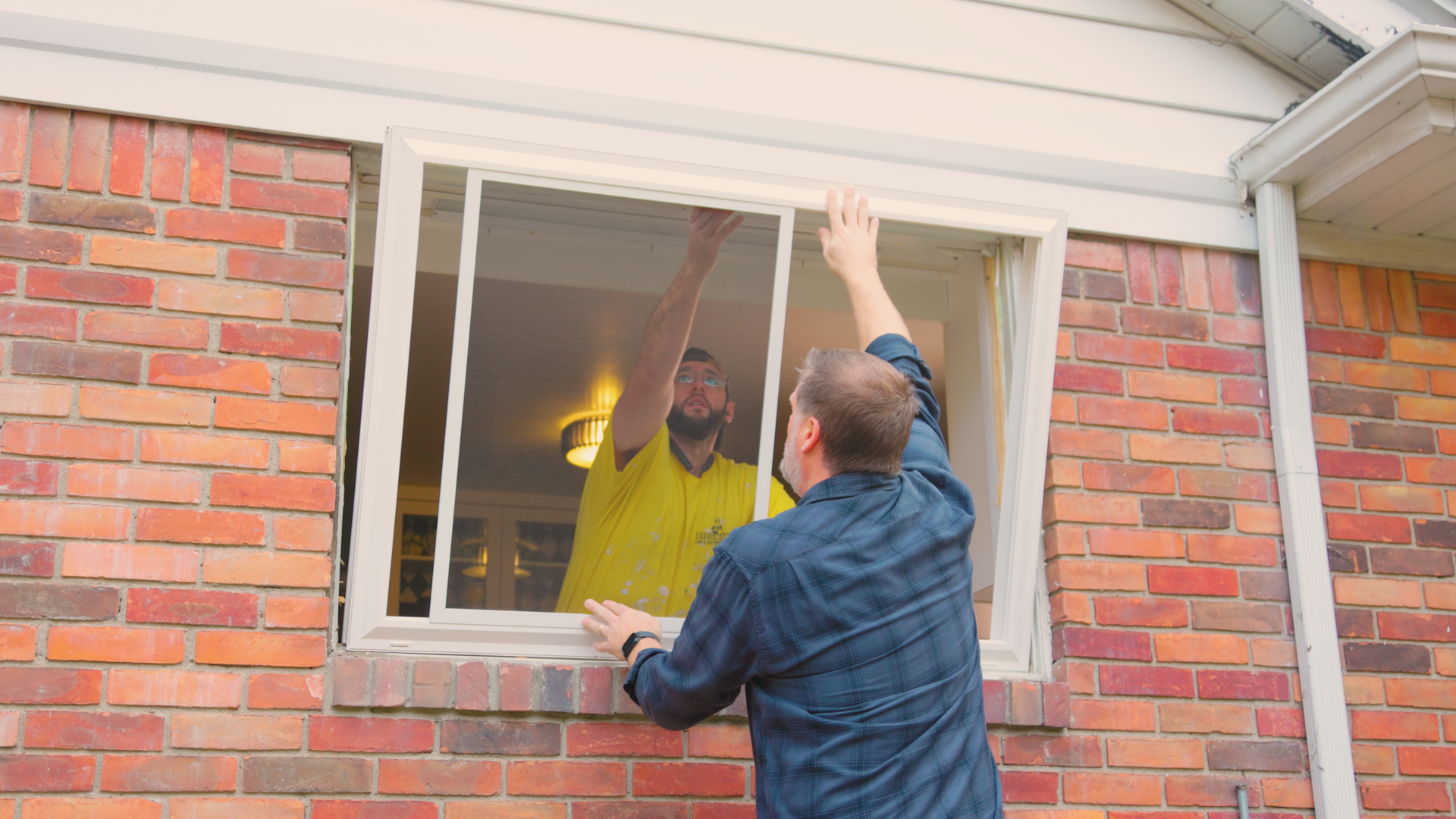
Ready to add casement windows to your kitchen, bathrooms, or other key rooms? We'll measure, walk through style and glass options, and provide a clear estimate. Flexible payment plans make it easier to fit window replacement into your budget. Most approvals happen within 24 hours.
-
0
Instant Approvals
Most financing applications get results back instantly.
-
$0
No Prepayment Penalty
Pay off your balance early at any time.
-
%
Flexible Terms
Multiple plan lengths to fit your monthly budget.
-
✓
Review Before You Commit
See monthly options before scheduling your project.
Energy‑efficient
features
Casement windows already reduce air leakage because of how the sash locks against the frame. You can add features that improve energy performance even more.
Double-pane and triple-pane glass
- Two or three layers of glass with an air space between them
- More layers = better insulation
- Triple-pane adds weight and cost—worth considering only in extreme climates
Low‑e coatings
- A microscopic metallic layer on the glass that reflects heat
- Summer: keeps heat out | Winter: reflects heat back inside
- Reduces HVAC workload without blocking visible light
Argon or krypton gas fills
- Gas fill between panes insulates better than air
- Krypton performs slightly better but costs more
Warm‑edge spacers
- Separates glass panes at the edge to reduce heat transfer
- Helps prevent edge condensation
NFRC label guidance
- Every window carries an NFRC label
- U‑factor: lower = better insulation
- Air leakage: lower = tighter seal
- When you're comparing windows, check the NFRC label. A lower air‑leakage number means the window is tighter when closed. A lower U‑factor means it insulates better.
Operation & care
Using the crank and lock
- Turn the crank clockwise to open; counter clockwise to close.
- Lock it every time you close
- Don't over‑crank in high winds; close during storms
Keeping tracks and seals clean
- Wipe tracks with a damp cloth a few times a year; brush debris first
- Check weatherstripping annually; replace if cracked or peeling
Basic maintenance
- Lubricate the crank with silicone‑based spray once a year (avoid oil‑based products)
- Clean glass with standard cleaner; vinegar‑and‑water helps on exterior spots
- Vinyl frames don't need painting or sealing. Keep things clean and lubricated and casement windows will work smoothly for years.
Gold Standard
Every Project Protected for Life
Every Integrity project includes free annual inspections and lifetime workmanship coverage to ensure your home stays protected year after year. No enrollment, no additional fees, just our promise of Gold Standard quality.
See What's IncludedWhat Homeowners Are Saying
READY TO GET STARTED?
Schedule Your Free Inspection
Casement windows make sense in kitchens, bathrooms, and anywhere you want easy operation and strong ventilation. The crank opens them fully, the seal stays tight when they're closed, and vinyl construction keeps maintenance low.