Skip to content

Vinyl Siding

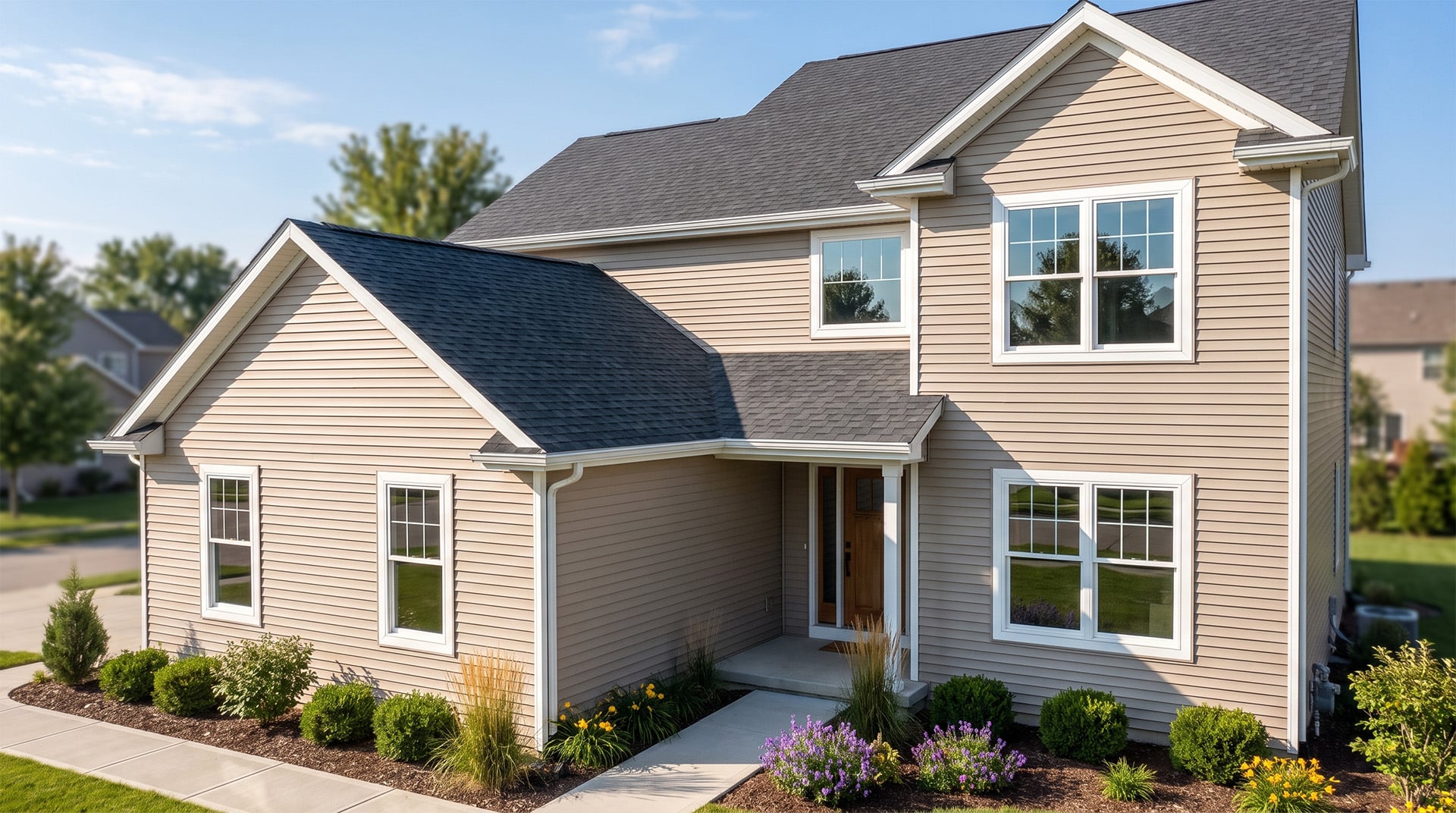
Vinyl siding protects your home with very little upkeep. It comes in different styles, handles weather well, and keeps its color for decades. You won't need to paint it or seal it every few years.
sidingReplacement1-1

What Vinyl Siding Is

Vinyl siding is made from durable plastic panels that lock together on your home's exterior. The material doesn't rot, warp, or attract bugs. It handles rain, snow, and sun without breaking down.

Each panel has a top edge that nails to your house and a bottom edge that hooks onto the panel below it. When installed correctly, the pieces overlap to keep water out while allowing the material to expand and contract with temperature changes.

Callout: Vinyl moves more than wood when temperatures shift. Installers leave small gaps at corners and trim pieces so panels can move without buckling in summer heat or cracking in winter cold.

Profiles & Panel Design

All three styles need room to move as seasons change. Installers follow specific spacing rules at corners and around windows to prevent problems years later.
siding2

Lap siding

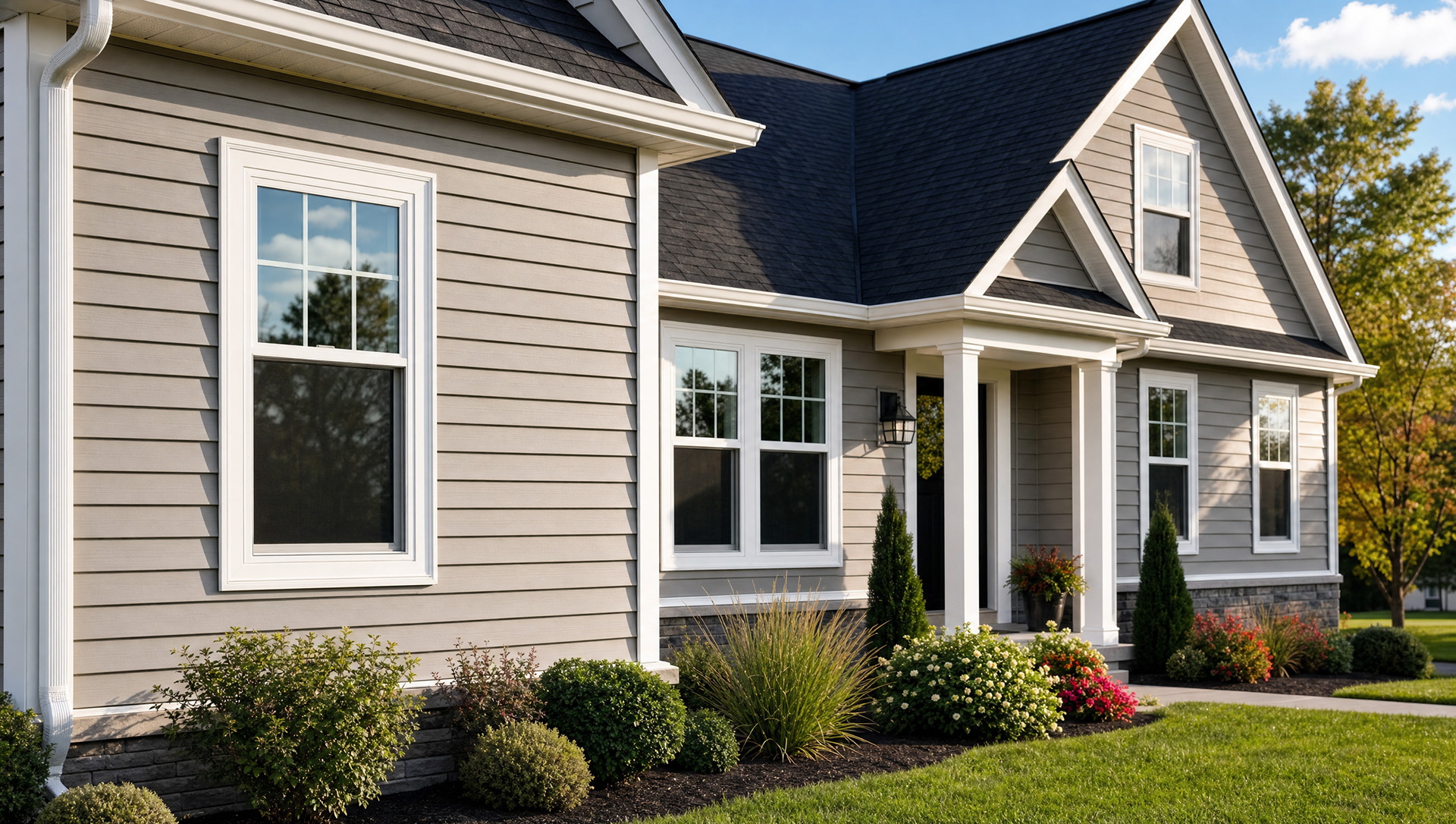
Runs horizontally across your walls in various widths. It's the most common profile for vinyl siding replacement—clean lines ...

Learn More
siding3

Board & batten

Vertical planks with raised seams. Use on gables, entryways, or accent walls to create contrast against horizontal lap siding ...

Learn More
siding4

Shake profiles

Replicate wood shake texture with deeper relief and staggered edges. Great on upper stories, dormers, or mixed with smooth lap ...

Learn More
siding5-1

Color & trim planning

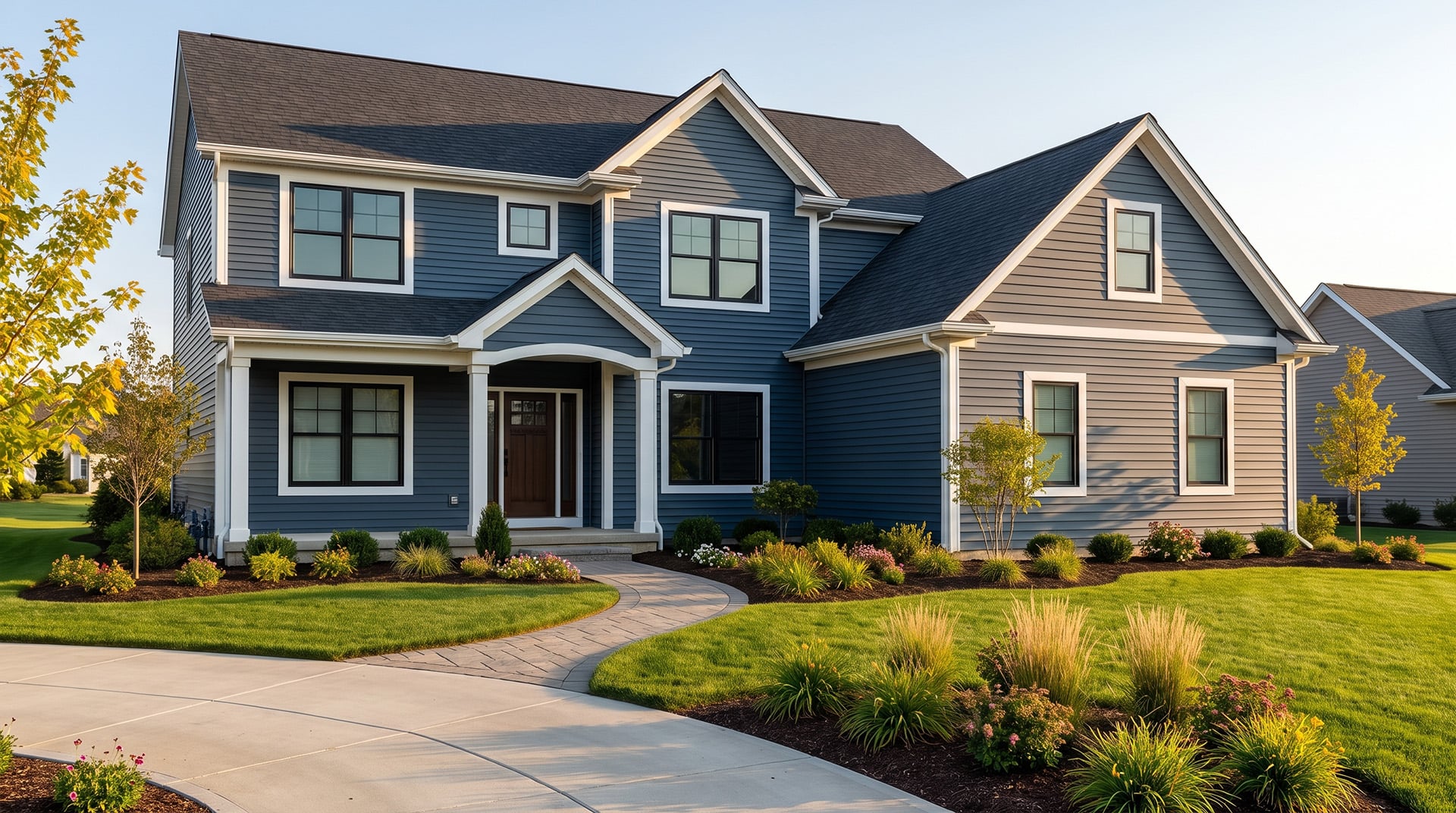
We guide palette selection based on your home's architecture, roof color, and neighborhood context. Contrast trim makes colors ...

Learn More
sidingReplacement2

Performance & Wind Ratings

Vinyl siding gets tested for wind strength and impact resistance. Products are rated for different wind speeds based on where you live. Coastal areas need higher ratings than inland locations.

What affects durability:

Icon-Nov-23-2025-06-35-10-8273-AM
Thicker panels handle impacts better than thin ones
Icon-Nov-23-2025-06-35-10-8273-AM
Some vinyl includes extra materials that help it bounce back from hail or flying debris
Icon-Nov-23-2025-06-35-10-8273-AM
Proper installation prevents buckling and pulled nails
The material expands and contracts with temperature swings. A long panel might grow or shrink by half an inch between winter and summer. Proper installation handles this movement without causing wavy walls.
sidingReplacement7

Insulated Vinyl Siding

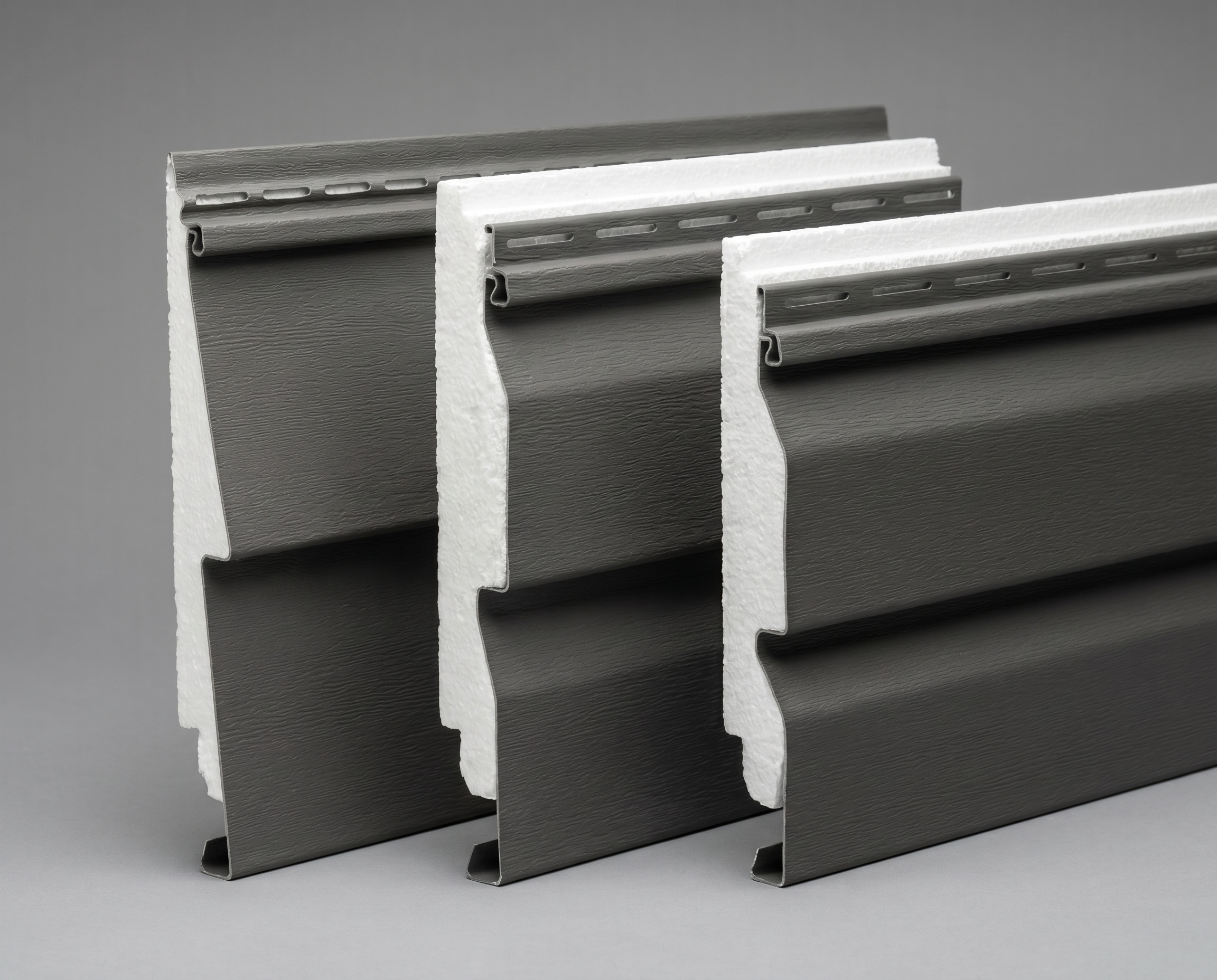
Insulated vinyl siding has foam attached to the back of each panel. The foam fills the gap between the siding and your wall, adding an extra layer of insulation.

Benefits of insulated vinyl:

Icon-Nov-23-2025-06-35-10-8273-AM
Lower heating bills, especially in older homes
Icon-Nov-23-2025-06-35-10-8273-AM
Stiffer panels that resist dents better
Icon-Nov-23-2025-06-35-10-8273-AM
Potential energy rebates in some areas
This version costs more but can make sense depending on your home's current insulation and energy costs. Not every home needs it. We can help you decide if the extra cost makes sense.
sidingReplacement8

Color, Fade & Maintenance

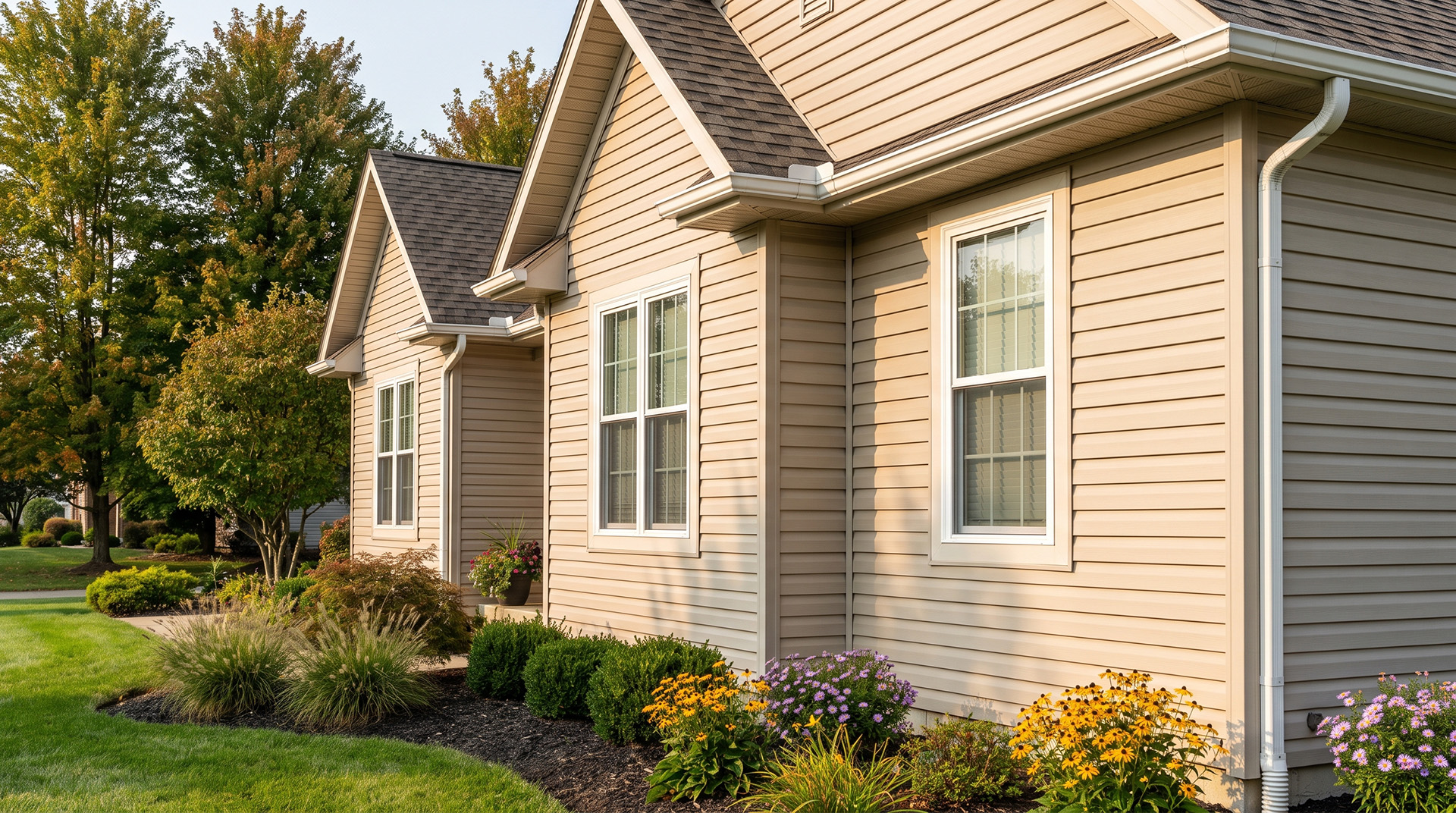
Modern vinyl holds its color much longer than older versions. The top layer includes UV protection that fights sun damage. Lighter colors stay looking new longer than very dark shades.

Simple maintenance:

Icon-Nov-23-2025-06-35-10-8273-AM
Spray with a hose once or twice a year
Icon-Nov-23-2025-06-35-10-8273-AM
Scrub with a soft brush and mild soap
Icon-Nov-23-2025-06-35-10-8273-AM
Avoid harsh chemicals or high‑pressure washers
You don't need to repaint vinyl. The color goes all the way through, so small scratches don't show a different color underneath. If you do want to paint it later, check your warranty first—painting might cancel the coverage.

Dark colors: These absorb more heat and expand more in summer. Some come with special warranty rules or need extra spacing during installation.

sidingReplacement9

Where Vinyl Works Best

Good Climate Match — Vinyl handles freeze‑thaw cycles, humidity, and big temperature swings without problems. It doesn't soak up water, so it won't rot or grow mold like wood can.

Needs Good Prep — Your home's walls need to be solid and flat before vinyl goes on. The siding doesn't add strength—it just covers and protects what's already there. Water barriers and proper flashing matter more than the siding choice.

What It Can't Do — Vinyl can crack if you hit it hard in very cold weather; very dark colors might warp if installed too tight; you can't hang heavy things directly on vinyl panels—mount to framing behind the siding.

What Homeowners Are Saying

We had siding replaced on one of our rental properties and were impressed by how quickly and professionally it was done. Tenants are happy and the building looks great.

Online Roof Replacement
Cost Calculator

Ready to talk about vinyl siding for your home? We'll explain your options and provide a clear project estimate.
sidingReplacement10

Submitted Successfully!

Check your email for confirmation.

GET
STARTED

Please select a service
Please select an option
G
OVER 2000 REVIEWS