What window types are
Not every window opens the same way. Some slide, some crank out, some don't open at all. The style you pick affects how much air moves through a room, how much light comes in, and whether you can actually reach the thing to clean it.
Different rooms need different approaches. A kitchen window over the sink works better with certain styles. A living room with a view calls for something else entirely. Basement windows have their own requirements—ventilation without sacrificing privacy.
Window styles we install
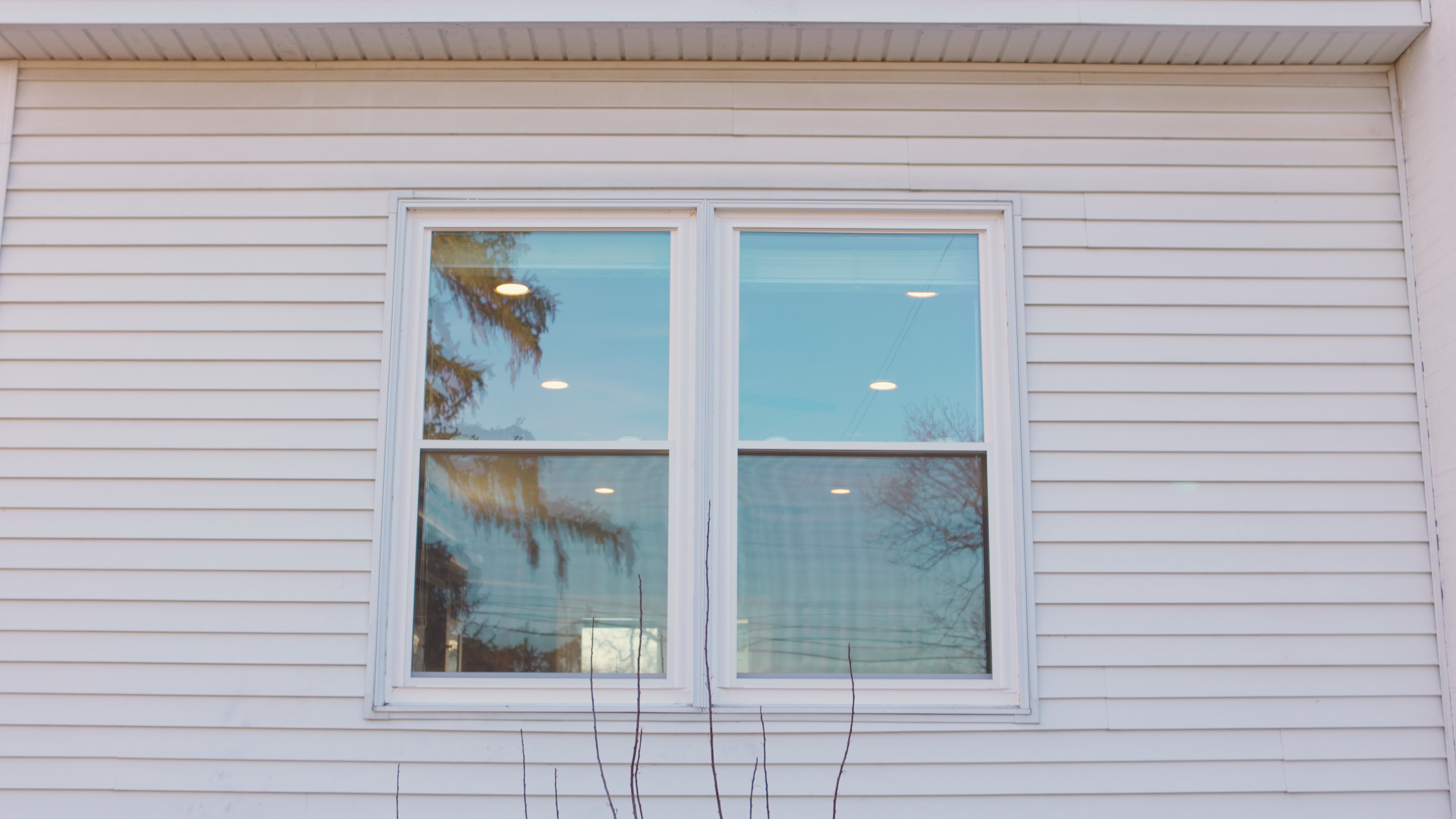
Double-hung
Opens from the top or bottom. Both sashes tilt in for easy cleaning from inside. Works in most rooms and fits traditional home styles.
- Versatile placement—fits almost anywhere
- Clean from inside—both sashes tilt inward
- Good airflow control—open top, bottom, or both
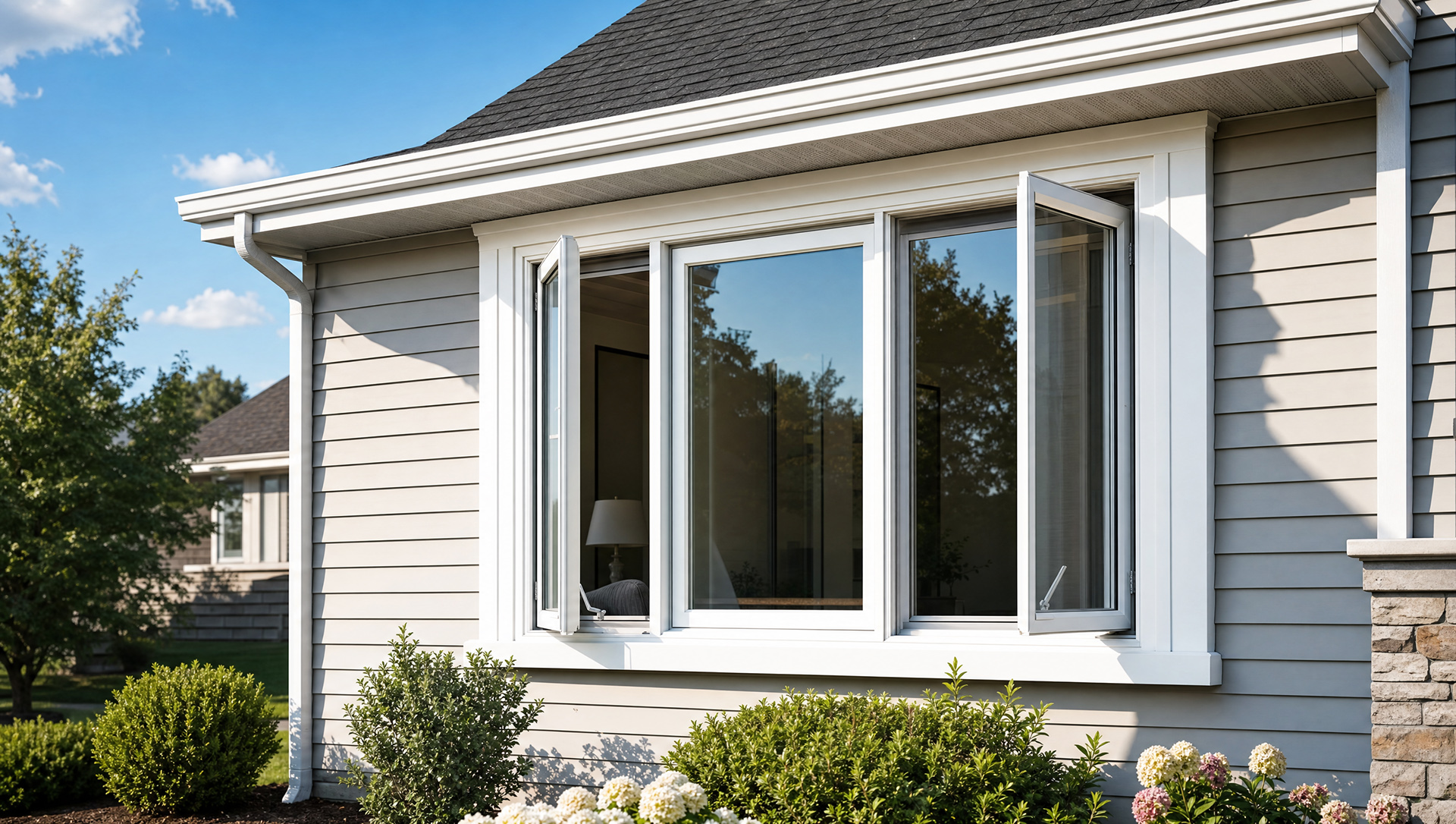
Casement
Side-hinged window that cranks open like a door. Creates a wide opening for maximum ventilation. Great where you want unobstructed views and strong airflow.
- Strong ventilation—full opening catches cross breezes
- Easy operation—crank handle, no lifting
- Tight seal when closed—compresses against frame
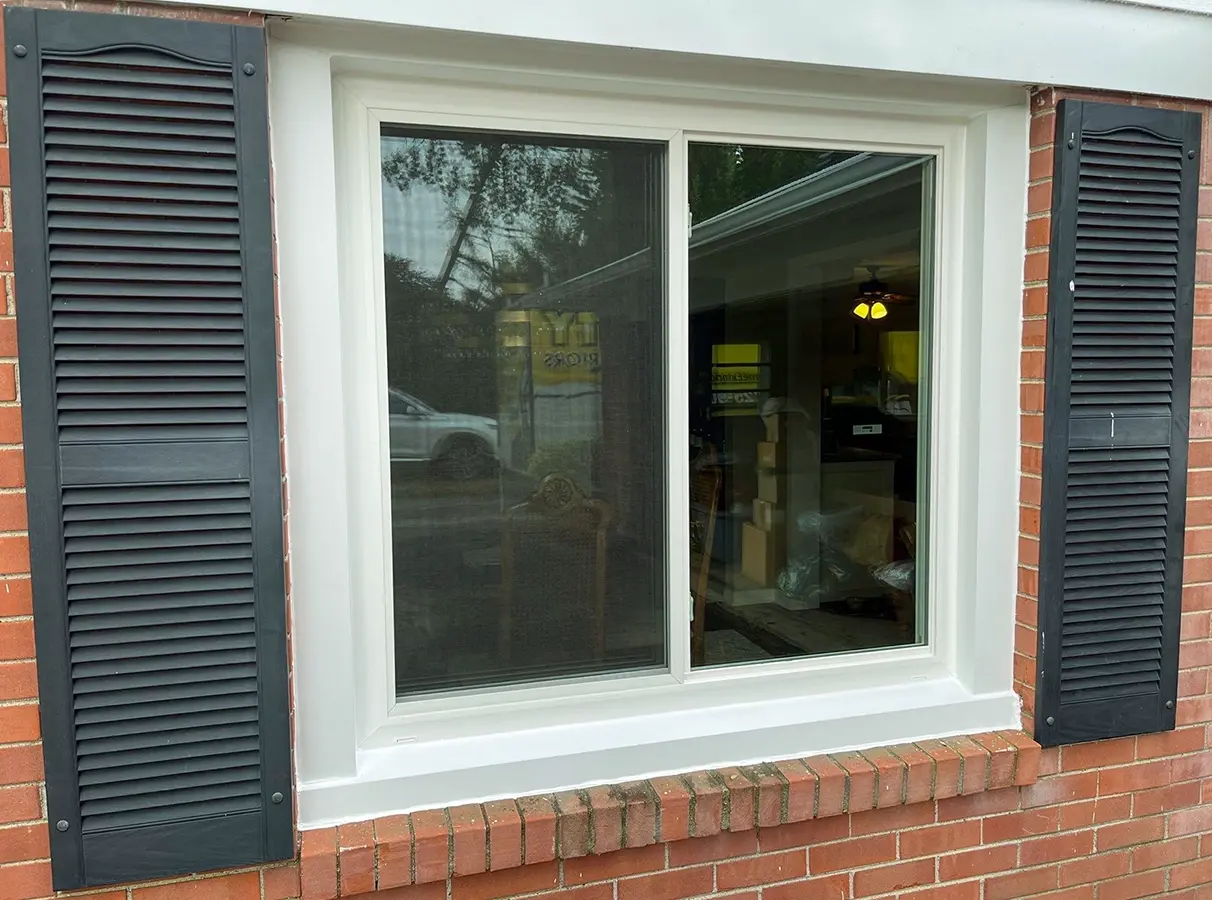
Slider (2-lite / 3-lite)
Glides horizontally on a track. Good fit for areas where an outward-swinging window would block walkways or decks. Simple operation with no cranks or lifting.
- Works in tight spaces—no swing clearance needed
- Wide view—minimal frame obstruction
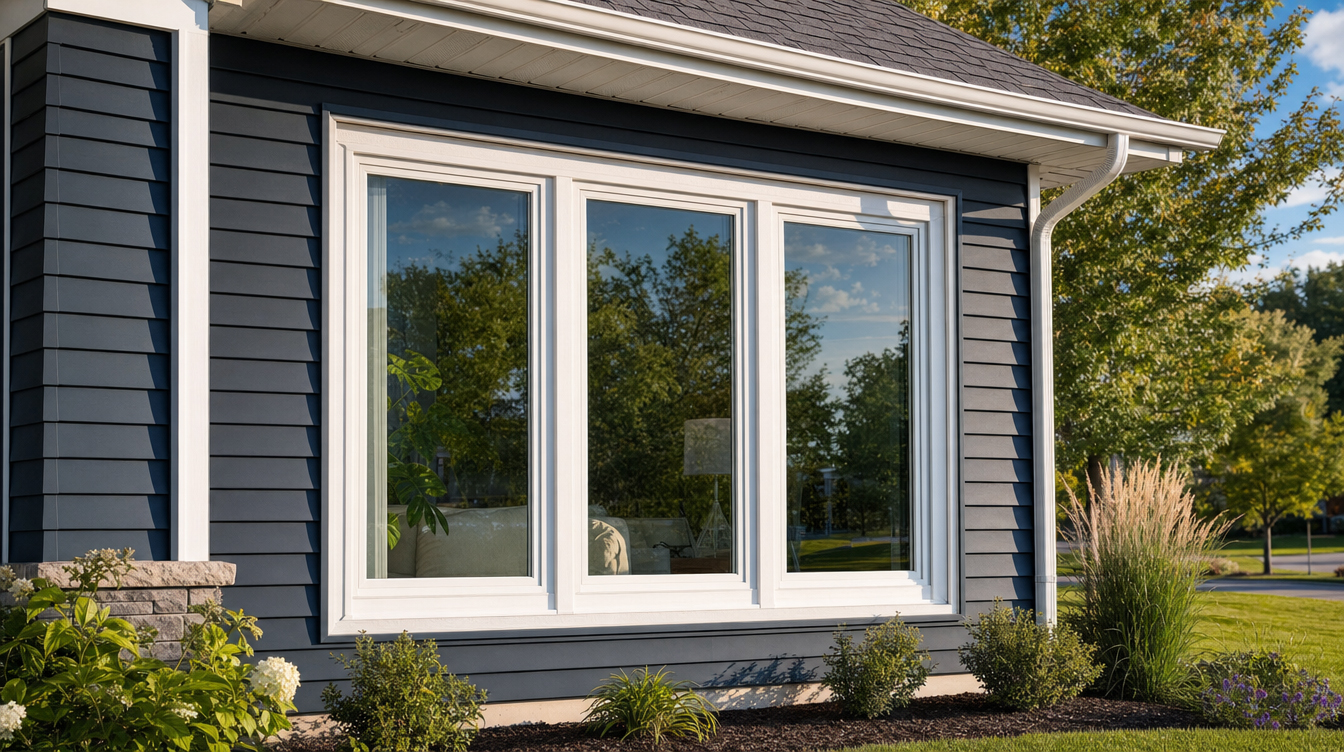
Picture (fixed)
Doesn't open. Designed for maximum light and unobstructed views. Most energy-efficient option because there are no moving parts or seals to fail.
- Maximum natural light—largest glass area
- Unobstructed views—minimal framing
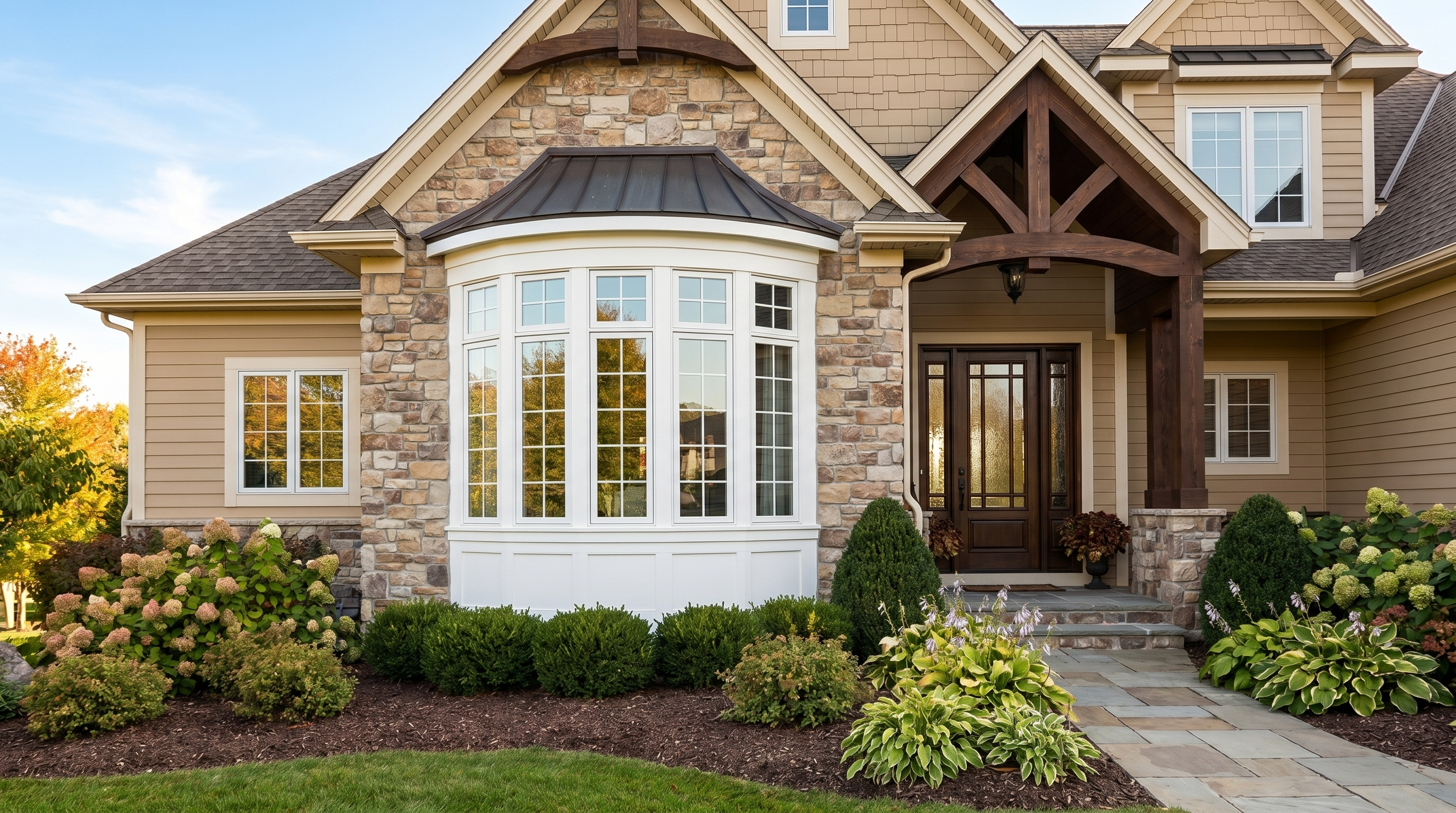
Bay & bow
Projects outward from the wall, creating interior space and a focal point. Combines multiple window styles (usually a picture center with operable sides). Architectural feature that adds dimension.
- Adds usable space—shelf or seating area
- Curb appeal boost—exterior focal point
Garden
Small greenhouse-style projection, usually installed near kitchens or above sinks. Adds space for plants or display items while bringing in extra light from multiple angles.
- Perfect for plants—multi-angle sunlight
- Compact projection—doesn't take much wall space
- Kitchen favorite—fits over sinks and counters
Hopper
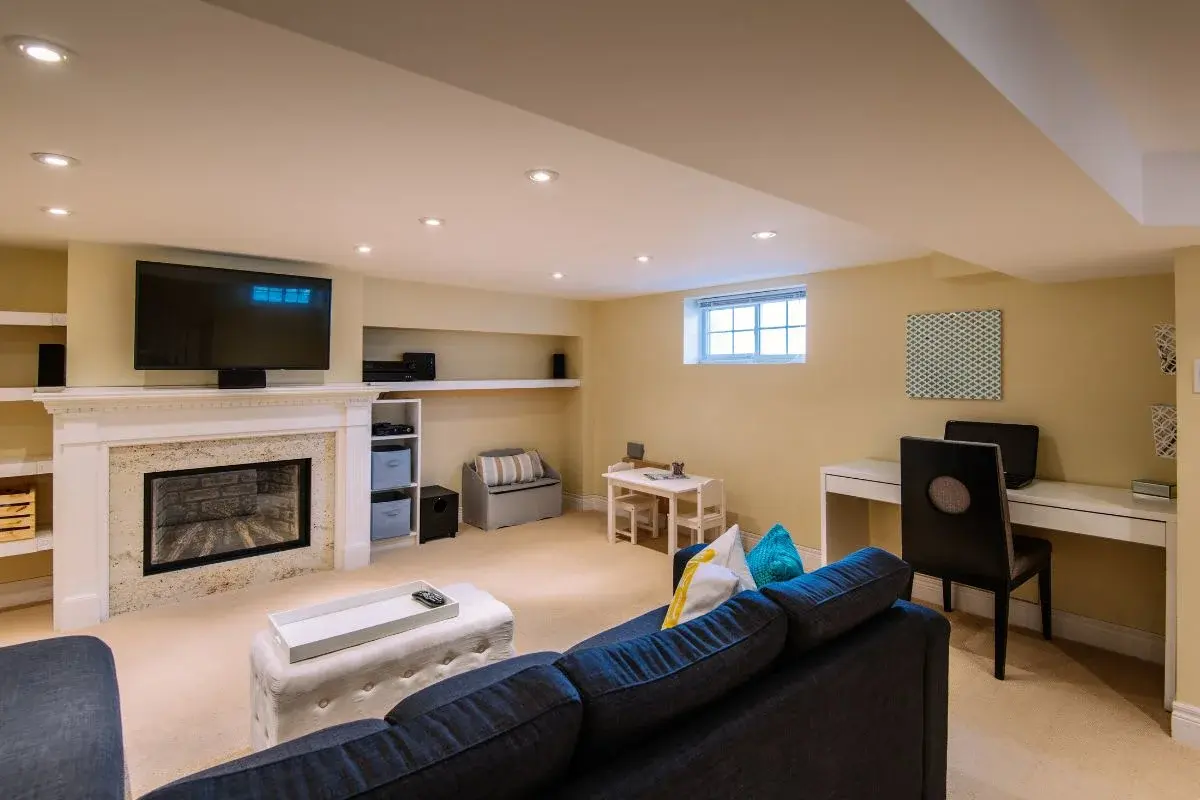
Hinged at the bottom, tilts inward from the top. Common in basements and bathrooms where you want ventilation but need to keep the window high on the wall for privacy or clearance.
- Privacy-friendly—mount high on wall
- Controlled ventilation—tilts inward
- Compact—fits small openings well
Quick compare: which style fits where?
| Maximum ventilation | Casement, Hopper | Full opening; casement catches breezes well |
|---|---|---|
| Natural light | Picture, Bay & Bow | Largest glass area with minimal frame |
| Unobstructed views | Picture, Slider | Clean sightlines without divided sashes |
| Tight spaces (no swing room) | Slider, Hopper | No clearance needed outside or inside |
| Easy cleaning from inside | Double-Hung, Hopper | Sashes tilt inward; no ladder needed |
| Works well over sinks | Casement, GardenCrank or project outward; no reaching required | |
| Best for kitchens | Casement, Garden, SliderEasy operation; good ventilation | |
| Best for living areas | Picture, Bay & Bow, Double-HungLight, views, or traditional aesthetics | |
| Best for bathrooms | Hopper, CasementPrivacy placement; controlled ventilation | |
| Best for basements | Hopper, Slider | High mounting; horizontal fit for short walls |
Energy-efficient
features
Double or triple pane options
More glass layers create more insulation. Triple pane adds weight and cost but performs better in extreme climates.
Argon or krypton gas fills
Inert gas between panes insulates better than regular air. Argon is standard; krypton costs more but works better in tight spaces.
Warm-edge spacers
The material separating glass panes matters. Warm-edge spacers reduce heat loss at the edges where condensation usually starts.
Weather-resistant seals
Quality seals around operable sashes stop drafts and moisture. Vinyl doesn't swell or shrink like wood, so seals stay consistent across seasons.
All these features are available regardless of which window style you choose. You're not locked into one efficiency level based on whether you want a slider or a casement.
These features add up to real energy savings. When you replace all your windows with us, we guarantee 33% energy savings—lower heating and cooling costs that you'll see on your utility bills.
How to choose: room-by-room tips
Kitchen and cooking areas
Windows above sinks need easy operation without leaning over the counter. Casement styles work well because you crank them open with one hand. Garden windows add space for herbs or display. Sliders fit if you have side clearance but limited reach.
Living rooms and view walls
If the goal is light and sightlines, picture windows deliver the most glass with the least frame. Combine them with operable styles on the sides for ventilation when you need it. Bay and bow windows work when you want to make the room feel larger and add a focal point.
Bathrooms
Privacy matters, so you're usually mounting windows higher on the wall. Hopper styles tilt inward from the top, letting air move without exposing the room. Casements work too, especially if the window sits above eye level from outside.
Basements and low ceilings
Horizontal styles fit better in short wall sections. Sliders and hoppers both work. Hoppers tilt inward, which can be useful if you're near grade and want to avoid water coming in during rain.
Bedrooms
Double-hung styles are common here because they fit traditional layouts and you can control airflow by opening top, bottom, or both. Casements work too if you want stronger ventilation or a more contemporary look.
Tight exterior spaces (walkways, decks, patios)
If a window would block a path when open, sliders make sense. They stay within the frame line and don't swing into traffic areas.
No rule says you have to use the same style throughout the house. Mixing styles based on room function usually makes more sense than forcing one type everywhere.
Gold Standard
Every Project Protected for Life
Every Integrity project includes free annual inspections and lifetime workmanship coverage to ensure your home stays protected year after year. No enrollment, no additional fees, just our promise of Gold Standard quality.
See What's IncludedWhat Homeowners Are Saying
FINANCING + NEXT STEPS
Schedule Your Free Inspection
Window replacement fits into monthly budgets through flexible payment plans. Most approvals happen within 24 hours, and you can review options before committing to an installation timeline. We provide free estimates that cover window styles, sizing, and energy options for your specific home. You'll know exactly what each choice costs before moving forward.