Attic Insulation Cost

Attic insulation cost depends on your attic's size, how much insulation is already up there, and how deep the new layer needs to go.

 This page walks through where the money goes—and gives you a ballpark range with our attic insulation cost calculator before anyone climbs into your attic. 

Think of this as a starting point.

 The calculator gives you a realistic range based on what you enter, but final pricing gets confirmed after we measure your attic and check what's already installed. 

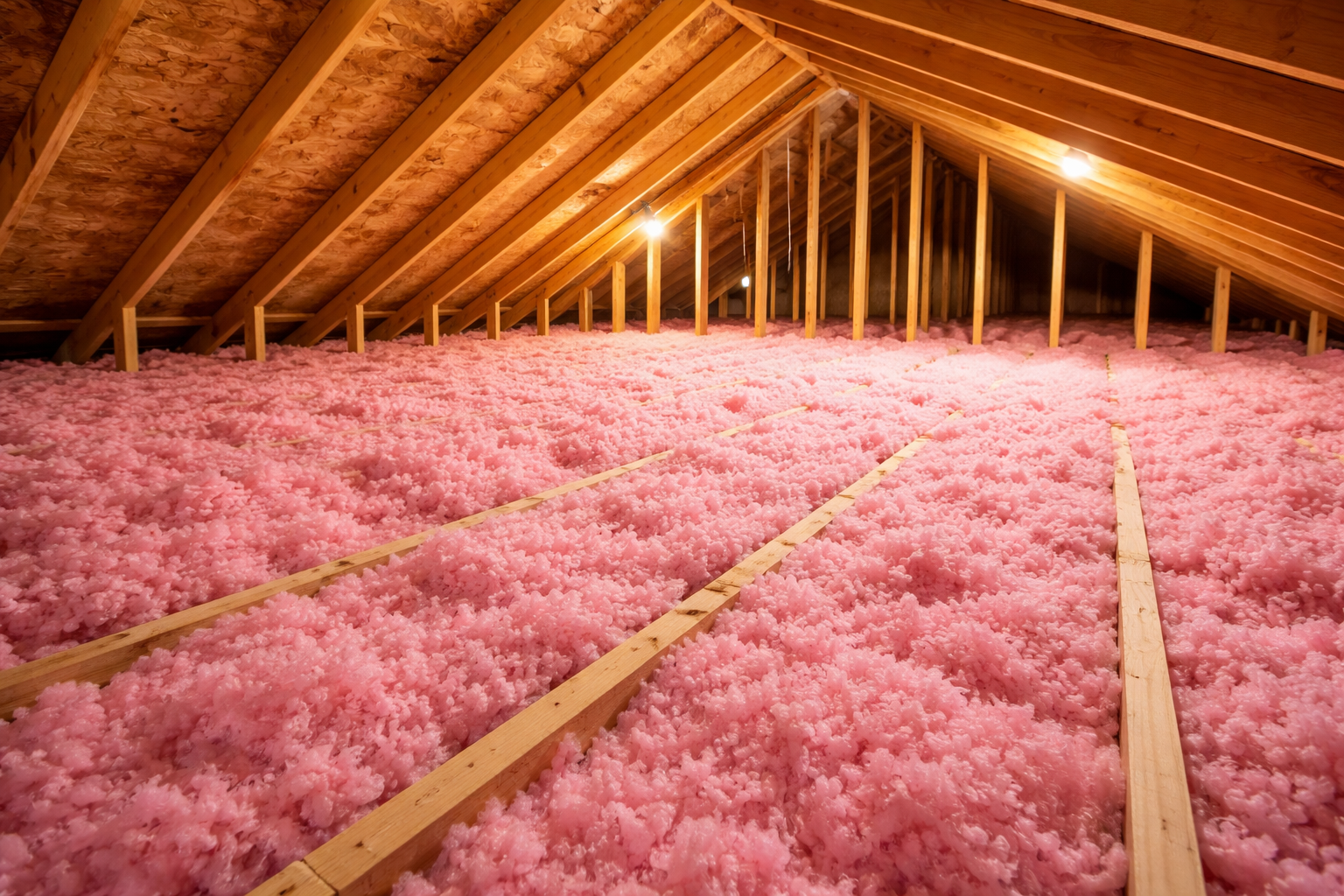
Blown-in fiberglass insulation between attic trusses

What Does
Attic Insulation Cost
Actually Cover?

 When homeowners ask "how much does attic insulation cost?"—they usually picture bags of insulation and a blower. That part is real, but it isn't the whole job. What determines whether the new depth actually performs is the work that happens before the machine turns on: sealing the gaps that let warm air into the attic, keeping the soffit vents open, and dealing with whatever is already up there. A good estimate covers the system, not just the material. 

get your estimate now!

What
Changes Your Attic Insulation Price

We install one product at one depth: Owens Corning AttiCat blown in to R-60, the level the U.S. Department of Energy recommends for our climate zone. So the price is not about picking a tier. It comes down to three things.
Blown-in insulation across an attic floor between trusses
The starting point

How Big the Attic Is

Square footage sets the base. It decides how many bags of AttiCat it takes to reach R-60 across the whole floor, and how long the crew is up there.

What to know:

Larger attics cost more in total but less per square foot — setup, equipment, and travel are the same whether the attic is 700 feet or 2,000.
See our process
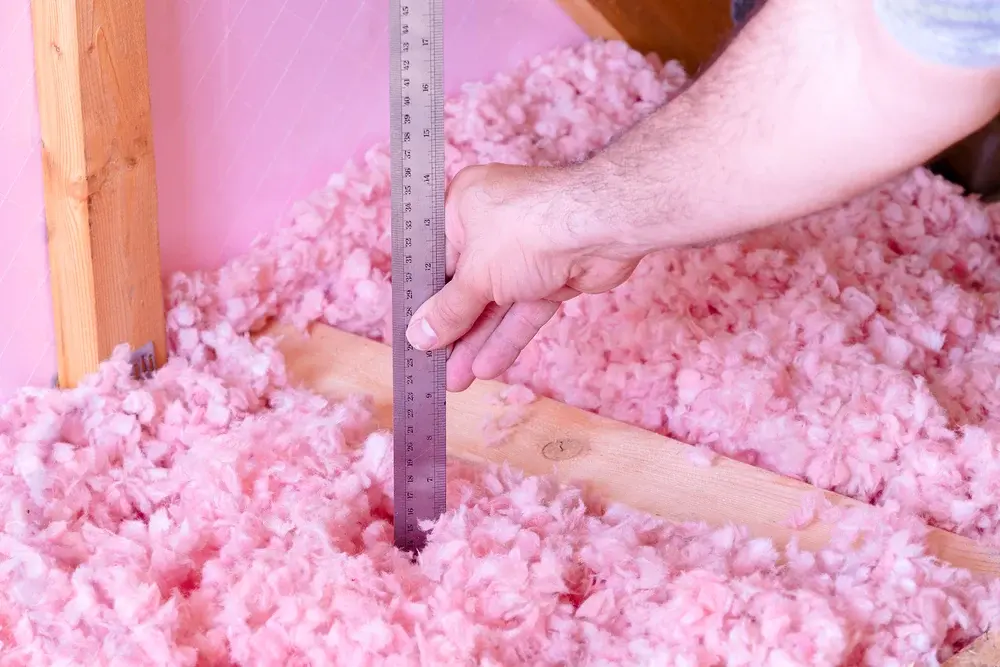
Existing attic insulation being measured before a top-up
Reduces your price

What's Already Up There

Existing insulation is not wasted. Whatever depth is already down counts toward R-60, so we blow less to get there — and your price drops accordingly.

What to know:

The one exception is material that has to come out. Wet, compacted, or rodent-damaged insulation gets vacuumed and hauled away first, and then the attic is insulated from bare.
See the product we install
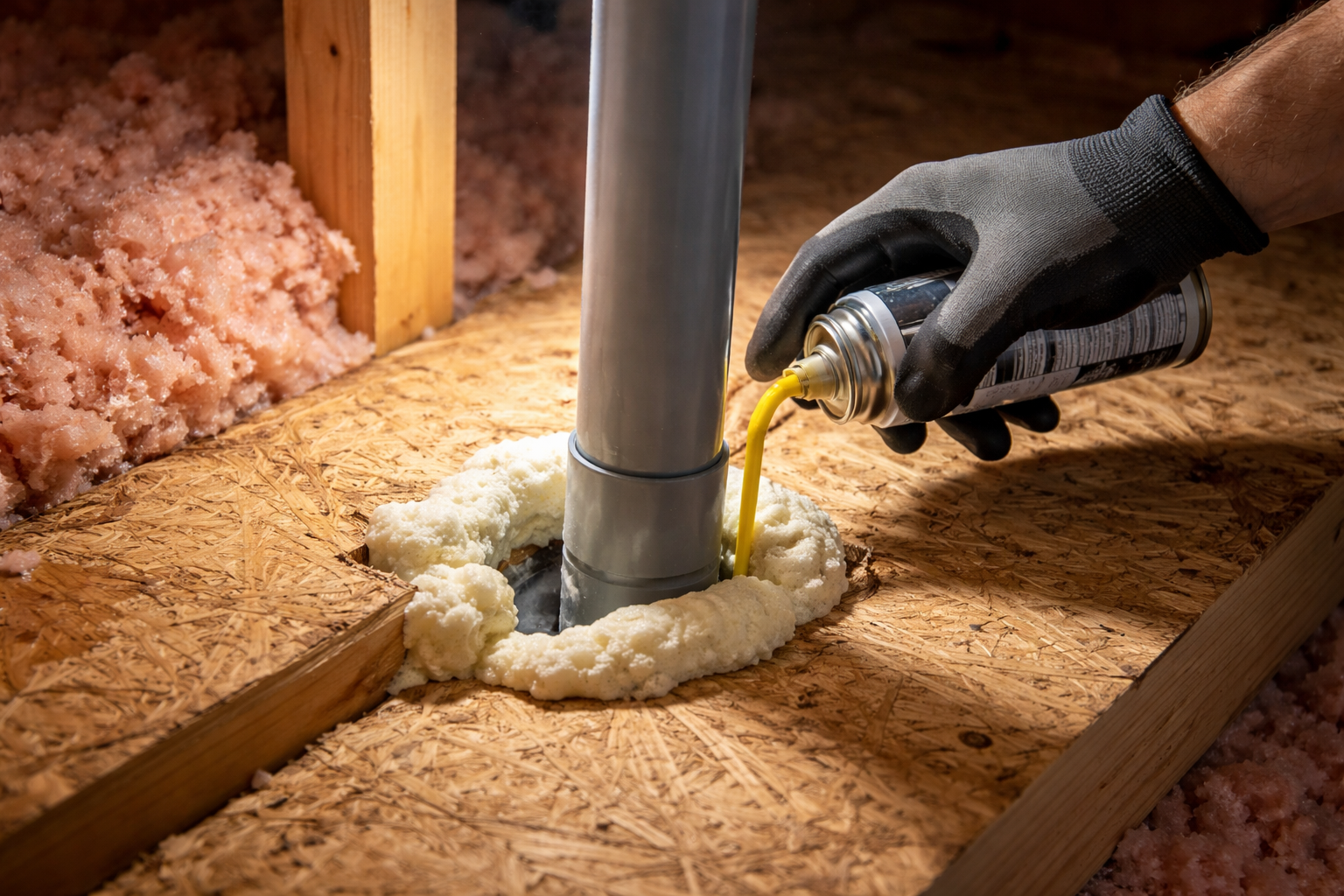
Technician sealing a pipe penetration in an attic before insulating
Optional, and usually worth it

The Prep Work

Two items decide whether the added depth actually performs. Air sealing closes the gaps around light fixtures, pipes, and wiring where warm air escapes before it ever reaches the insulation. Baffles keep the soffit vents open once the insulation gets deeper, so the attic still breathes.

What to know:

Baffles are priced per linear foot of eave, so that line scales with the shape of your attic rather than its area. An insulated attic hatch cover is included on every job at no charge.
How blown-in goes in


Here's Where the Money Goes

01.

Material

AttiCat comes in bags, and the number of bags is set by your attic’s square footage. The coverage chart printed on every bag says exactly how many it takes to reach R-60 over a given area—there is no guesswork in the material count once the attic is measured. Insulation already in place counts toward that depth, so a partly insulated attic takes fewer bags.

02.

Labor

A crew sets up the blowing machine, runs the hose into the attic, and lays the insulation to an even depth across the whole space—working around wiring, ductwork, vents, and whatever else is up there. Depth markers go in so the coverage can be checked. Tight access or an attic with no floor takes longer.

03.

Removal and Disposal

Most attics don't need the old insulation removed—new AttiCat goes right over it. But when what's there is wet, compacted, or rodent-damaged, it has to come out first. That means vacuuming it into bags, hauling it down, and disposing of it. Removal is the single biggest swing in an insulation estimate.

04.

Prep Work

These are the small line items that decide whether the new depth actually performs. Sealing the gaps around light fixtures, pipes, and wiring so warm air stops leaking into the attic. Baffles at the soffits so the vents stay open under the added depth. An insulated cover for the attic hatch, which we include on every job. Air sealing and baffles are the two that show up as separate lines on your estimate.

05.

The Unknowns

Here's the honest part: we can't see everything from the hatch. Moisture staining, mold on the underside of the roof deck, knob-and-tube wiring that can't be buried, old recessed lights that need a clearance gap—these get found during the inspection. A good estimate accounts for the likely ones, but your attic decides the final number.

What's Typically Included
vs. What Might Add Cost

Understanding what's included in a standard attic insulation job—and what falls outside—helps you compare estimates accurately. 

Typically Included

  • Attic inspection and existing-depth measurement
  • Owens Corning AttiCat blown to R-60
  • Depth markers installed so coverage can be verified
  • Protection of the attic access and the rooms below it
  • Daily cleanup and final haul-away
  • A signed receipt showing coverage area, installed depth, and R-value

May Add Cost

  • Removal of existing insulation → Wet, compacted, or rodent-damaged material has to come out first
  • Attic air sealing → Gaps around lights, pipes, and wiring let warm air straight into the attic
  • Soffit baffles → Keeps the vents open as the insulation gets deeper
  • Insulated hatch cover → An uninsulated hatch is a hole in the ceiling of the room below
  • Recessed light clearance → Older fixtures need a safety gap before they can be covered
  • Difficult access → Scuttle hatches and unfloored attics take longer to work in

Attic Insulation Cost
Calculator

Get a ballpark range for your attic insulation cost. Enter your attic size and how much insulation is already up there. If you cannot measure it, pick the closest option—we measure it exactly at the inspection. 
Est. Energy Savings $0/mo
Est. Price $0
Important:

This attic insulation cost estimator provides a ballpark range—not a quote or contract. What we find in the attic—moisture, compacted or damaged insulation, wiring that cannot be buried—can change the final number. Pricing is confirmed after inspection and measured depth.

We install Owens Corning AttiCat blown-in fiberglass insulation to R-60 at an installed thickness of 20.5 inches. The higher the R-value, the greater the insulating power. Ask your seller for the fact sheet on R-values. Savings vary. Find out why in the seller’s fact sheet on R-values. Higher R-values mean greater insulating power.

Midwest ranch home in winter with warm interior light

Understanding
Your Results

 If your range looks wide, that's intentional. An attic insulation cost calculator can't see your attic. It doesn't know whether what's up there is fiberglass or cellulose, whether it's settled flat, or whether a bath fan has been blowing steam into it for twenty years. 

Why ranges vary:

  • Existing depth is a guess until someone measures it
  • Removal is the biggest single swing in the price
  • Access and attic layout change the labor

What happens next:

 An inspection narrows everything down. We measure the depth, check what the existing material is, look for moisture and venting problems, and confirm the attic can hold the target depth. Then you get a detailed proposal with line-item pricing—not a range, but real numbers tied to your specific attic. 

 Financing options are available for qualified buyers. You can explore payment plans before committing to a timeline. 

Why ranges vary:

  • "Not sure" answers widen the range to account for possibilities
  • Complex roofs have more variables than simple roofs
  • Material choice creates the biggest swing in pricing

What happens next:

An inspection narrows everything down. We measure your actual roof, check the attic for signs of damage, and identify any factors that affect scope. Then you get a detailed proposal with line-item pricing—not a range, but real numbers tied to your specific roof.

Financing options are available for qualified buyers. You can explore payment plans before committing to a timeline.

What Happens After
You Request an Estimate?

We've completed roofing projects for over 10,000 customers across Ohio and Michigan. Here's how the process works 
01.

We Schedule an Inspection

Someone from our team contacts you within 24-48 hours to set up a time. The inspection takes about an hour—we measure the roof, check attic ventilation, and look for signs of existing damage. 

02.

You Get a Detailed Proposal

After the inspection, you receive a writtenproposal with line-item pricing. Materials, labor, tear-off,disposal—everything broken out so you can see exactly what you're paying for.We'll walk through options if you want to compare material tiers or add-ons. 

03.

You Decide When to Start

No pressure. Review the proposal, ask questions, compare it to other estimates if you want. When you're ready, we schedule the work around your timeline. Financing options available for those who qualify. 

Ready to Get Your Real Numbers?

Schedule Your Free Inspection

The calculator gives you a starting point for what attic insulation might cost. An inspection gives you real numbers tied to your specific attic — its size, what's already there, and what it needs before the new layer goes in.

Every project includes our Lifetime Workmanship Warranty and Gold Standard Protection Plan — annual inspections, priority scheduling, and coverage that transfers if you sell the home.