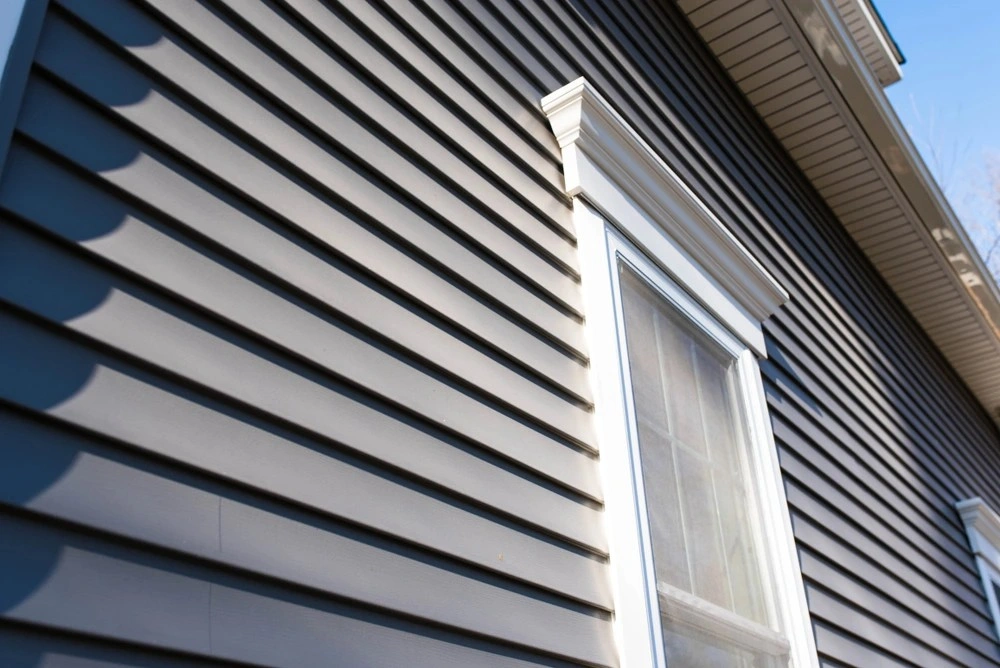
What is board
& batten?
Board and batten is a vertical siding profile that alternates wide boards with narrow strips called battens. Picture this: wide panels running vertically up your wall, then thin strips covering the seams between them. That's the classic board and batten look.
The way it works is simple. The wide boards (usually 7 to 8 inches) provide the main coverage, while the narrow battens (typically 1 to 2 inches) cover the joints. This creates natural shadow lines that add depth and visual interest to your exterior.
With vinyl board and batten, you get that same traditional appearance but with the durability and low maintenance vinyl provides. The boards and battens are manufactured as a complete system, so they lock together properly and maintain consistent spacing. No painting, no staining, no worrying about wood rot or insect damage.
The vertical orientation also helps water run off naturally, which matters during wet seasons and freeze‑thaw cycles. Vinyl handles weather changes without the expansion and contraction issues you get with wood materials.
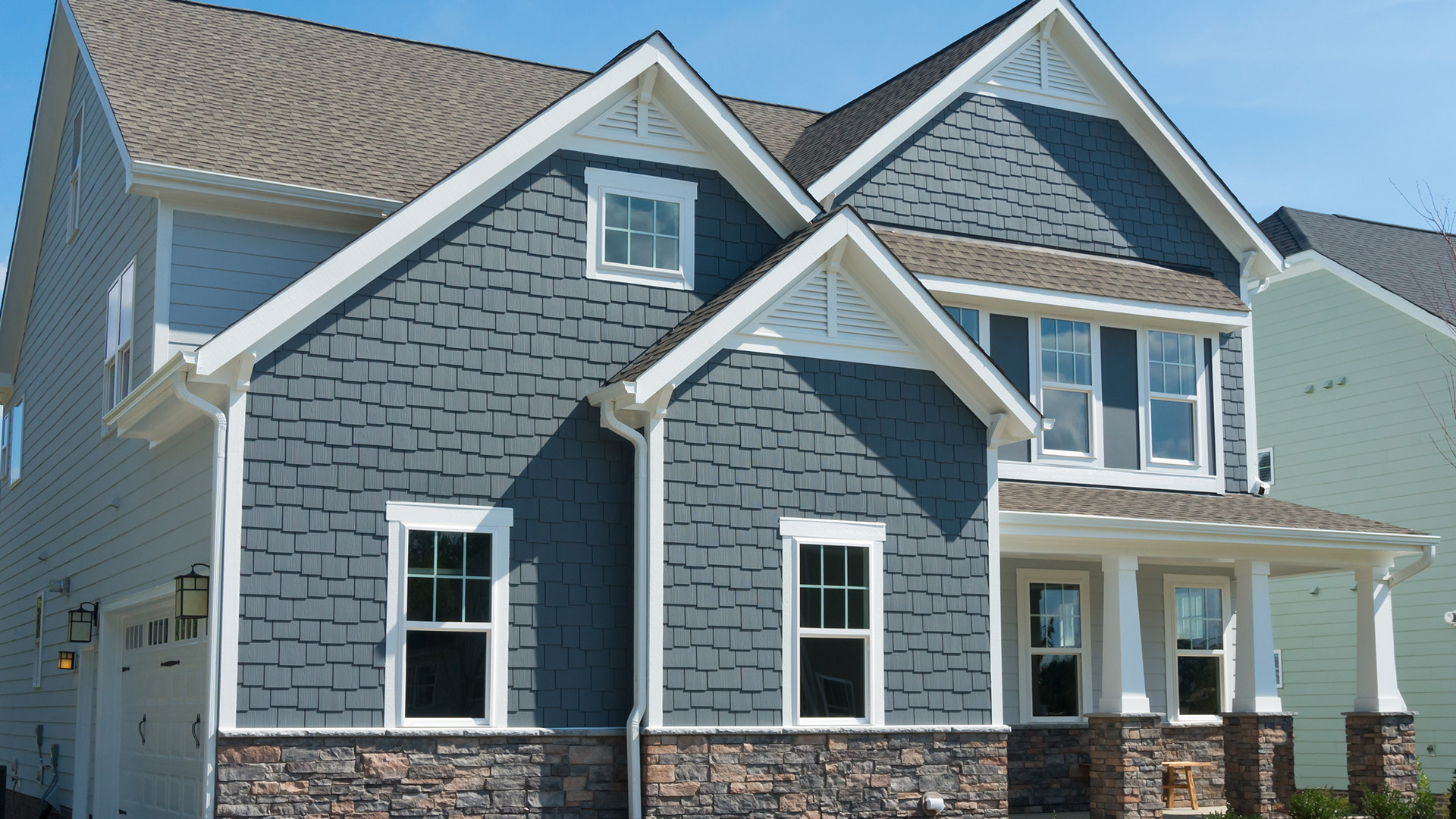
Profile
rhythm
Narrow spacing around 4 inches between reveals creates more horizontal shadow lines and more visual rhythm. This fits traditional aesthetics and creates more seam lines — a busier appearance overall.
Wide spacing at 6 inches or more gives you a cleaner, calmer look with fewer seams showing. The boards themselves become more prominent, with larger unbroken sections of color. This tends to feel more contemporary and works well on modern farmhouse styles.
Batten width matters too
- Thin battens (≈1 inch) — keep focus on the main boards
- Wider battens (≥2 inches) — become part of the design, creating deeper shadow lines that stand out
- Medium battens — balanced choice for most applications