Exterior doors do more than open and close. Your front entry sets the first impression. The sliding door to your deck connects your living space to the backyard. A storm door adds protection and lets you catch a breeze without letting bugs inside. Each type of door serves a different purpose, and the right choice depends on where it goes and what you need it to do.
Beyond looks, door performance affects how comfortable your home feels and how much you spend on heating and cooling. Every door comes with an NFRC label—that’s the National Fenestration Rating Council sticker that shows insulation strength, how much heat passes through glass, light levels, and air leakage. Understanding what those numbers mean helps you compare options and pick doors that work with your climate instead of against it.
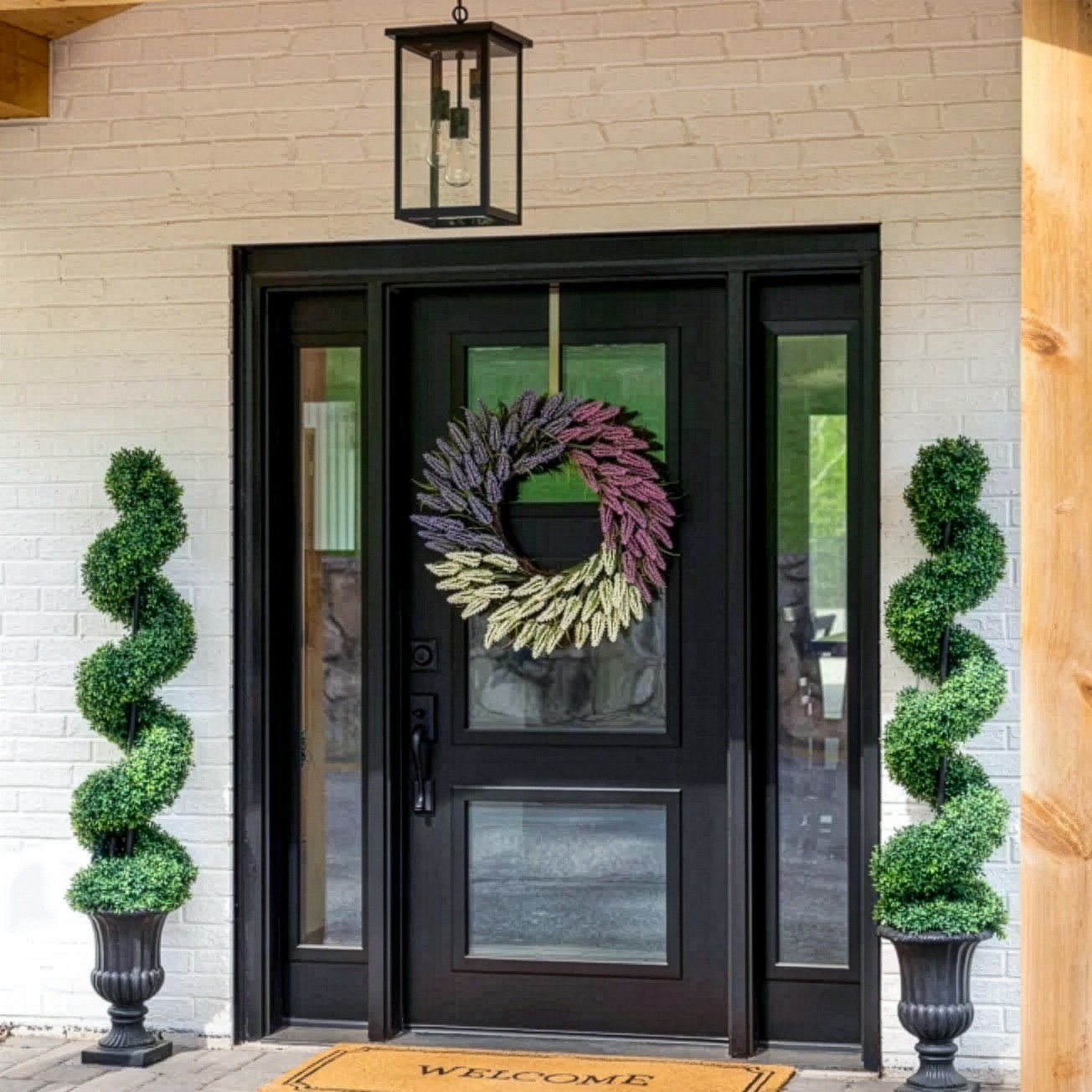
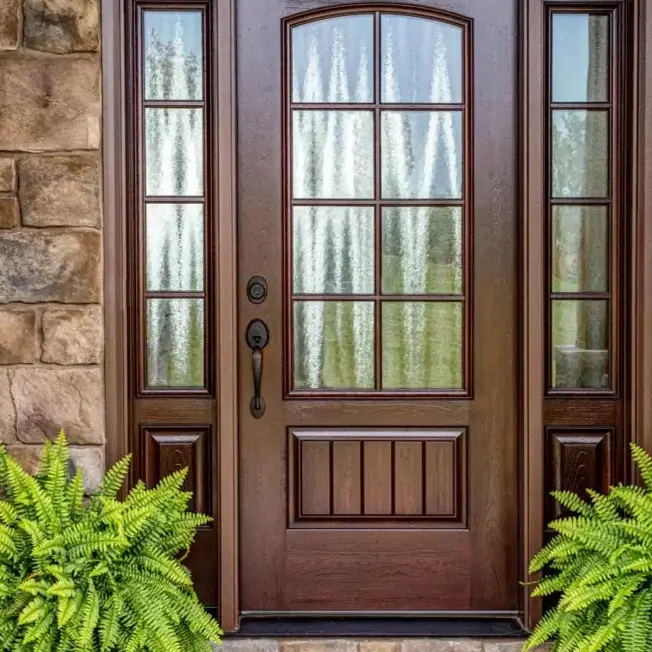
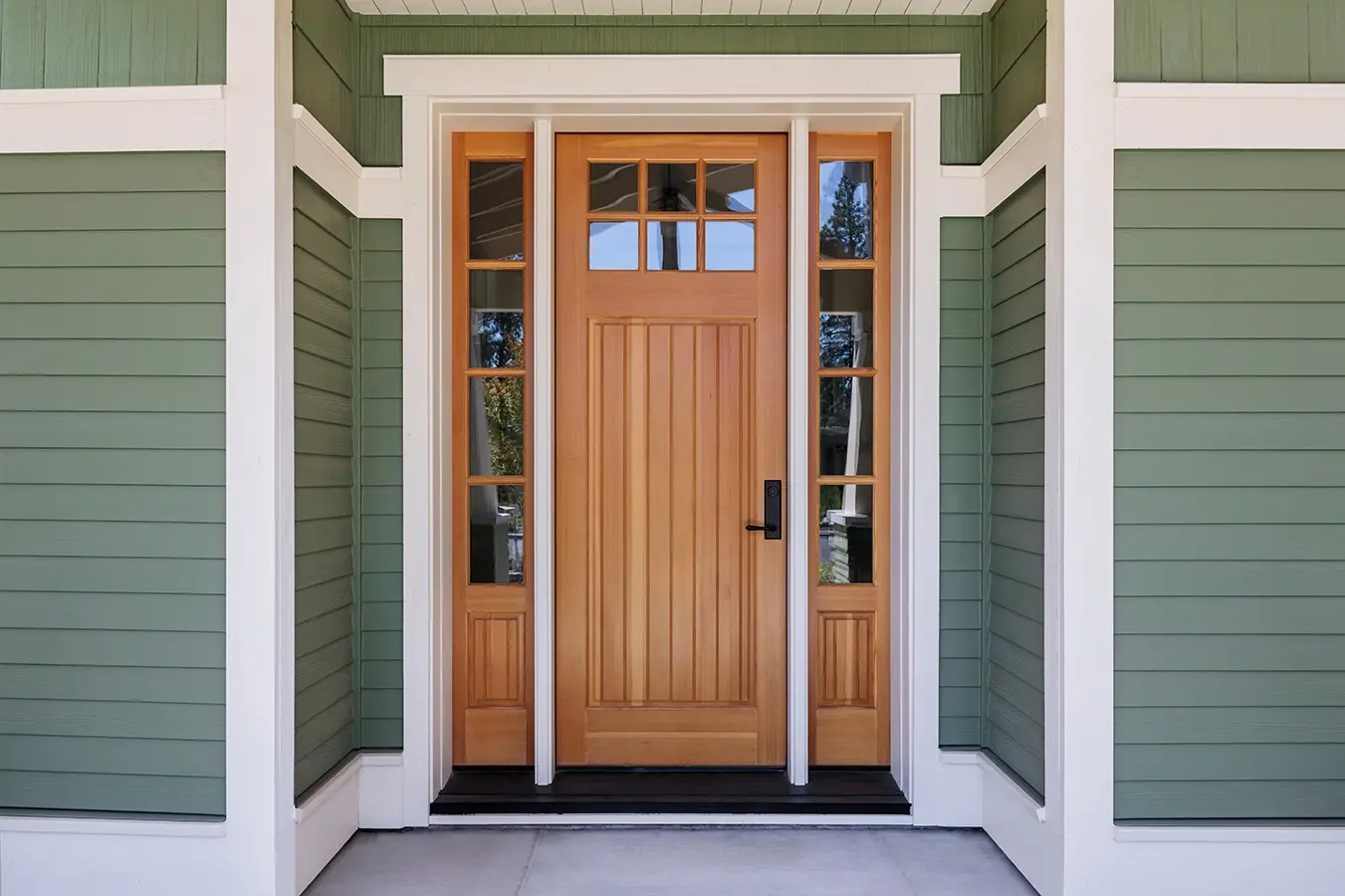
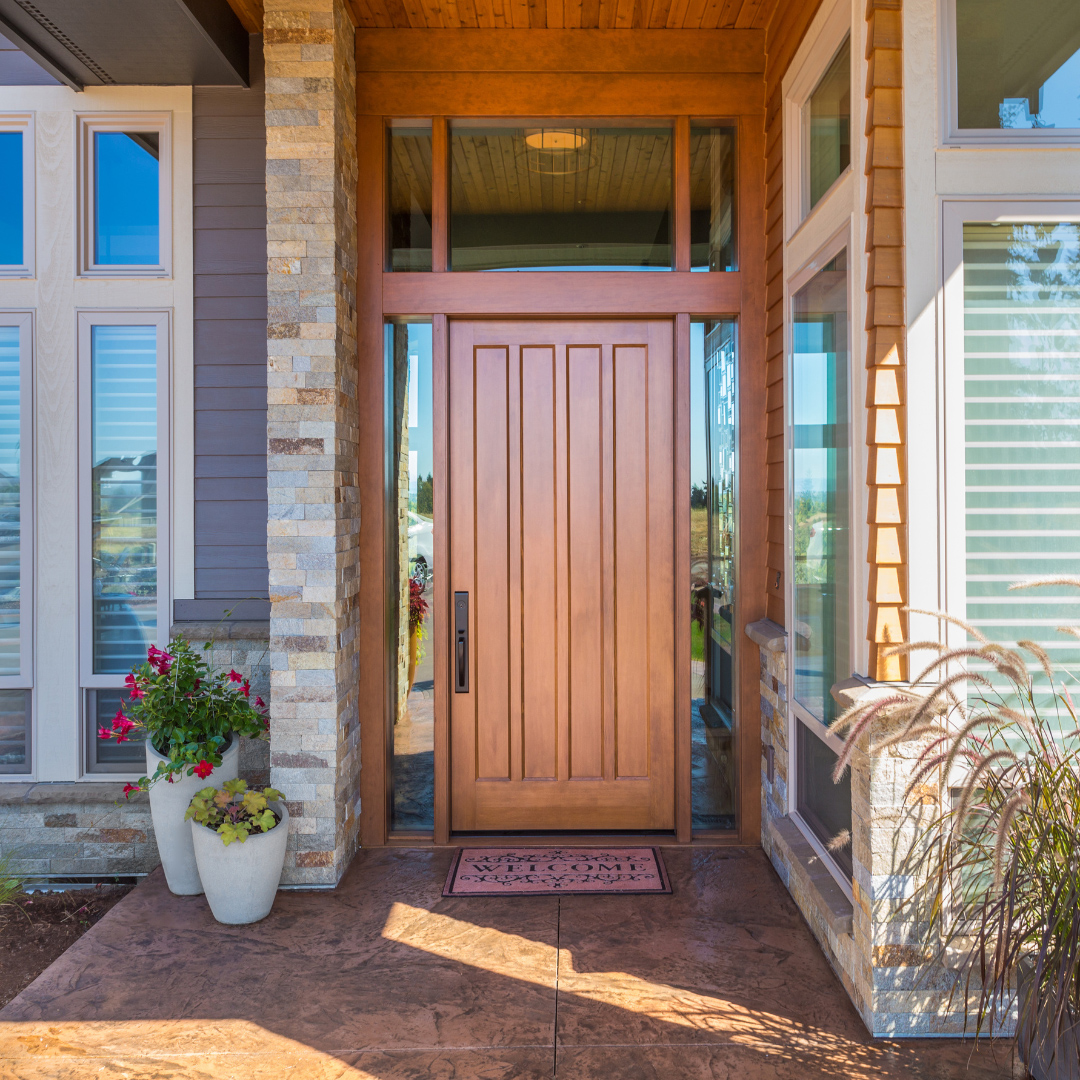
Your main front or side entrance. This is where security, durability, curb appeal, and a tight seal all matter. Entry doors take the most traffic, the worst weather, and they're what people see first when they pull up to your house.
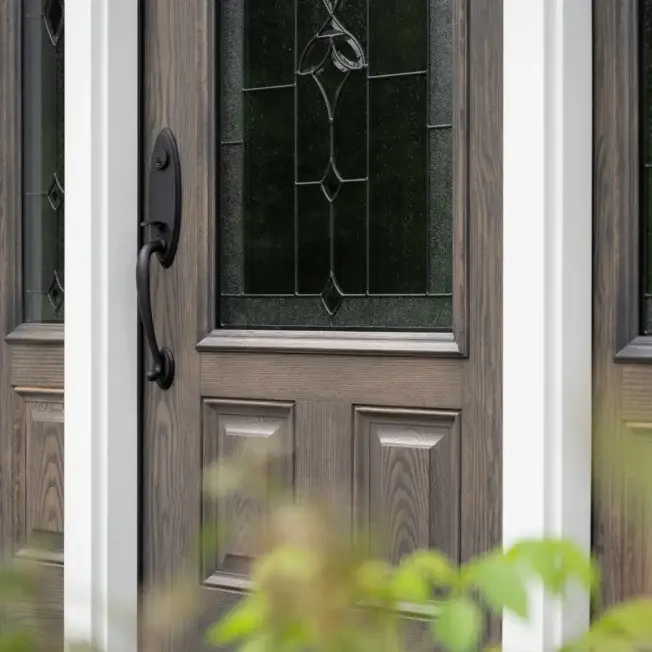
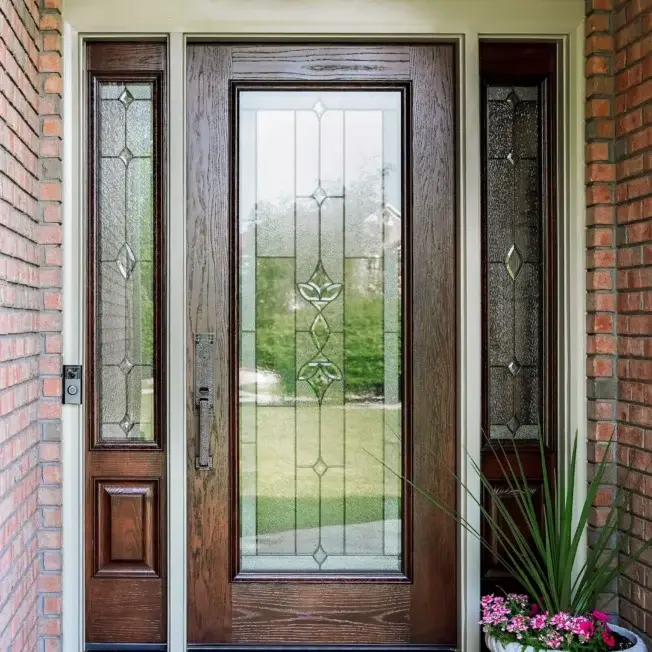
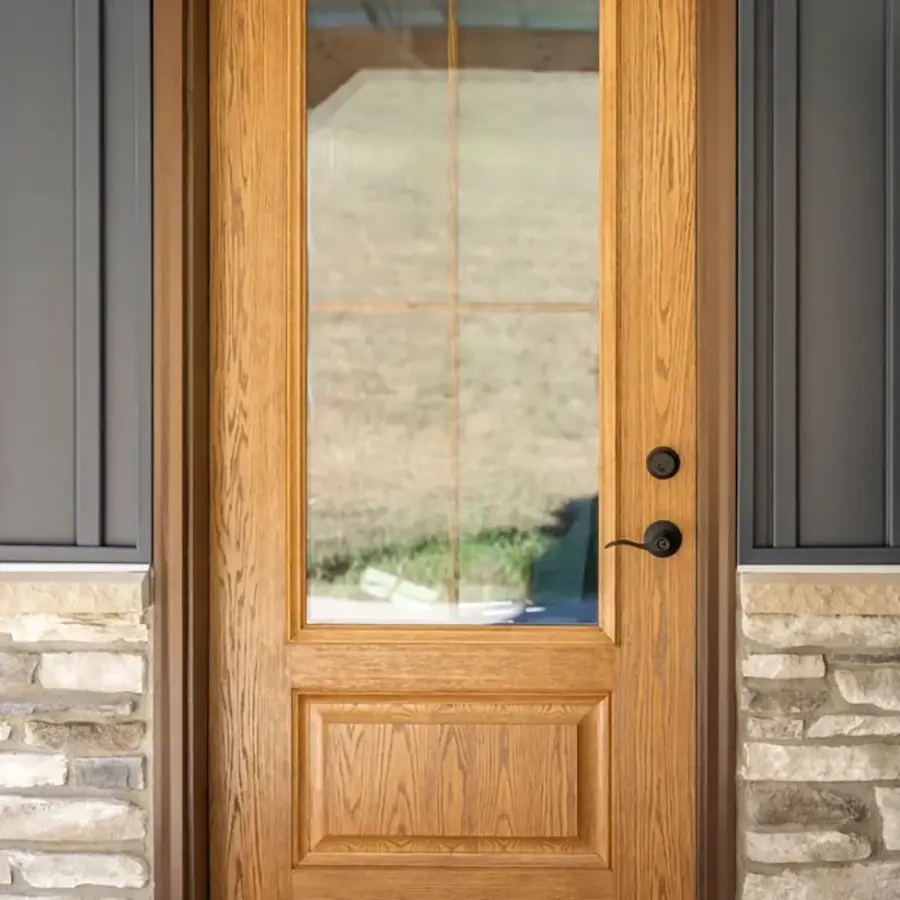
Materials vary. Steel offers strength and low maintenance. Fiberglass handles temperature swings without warping and can mimic wood grain. Wood gives you classic beauty but needs regular upkeep—painting, staining, checking for rot. Each material has trade-offs in cost, appearance, and how much attention it needs over time.
The frame and threshold matter as much as the door itself. If the threshold seal wears out or the weatherstripping compresses unevenly, air leaks in. Multi-point locks don't just improve security—they create even pressure around the frame when the door closes, which helps the weatherstripping do its job.
Where entry doors work:
Front entrances
Side entries from garage or driveway
Direct access from attached garages
Performance focus:
Insulation: Lower U-factor means better temperature control
Air sealing: Check the threshold and weatherstripping annually
Security: Deadbolts extending at least 1 inch into the frame
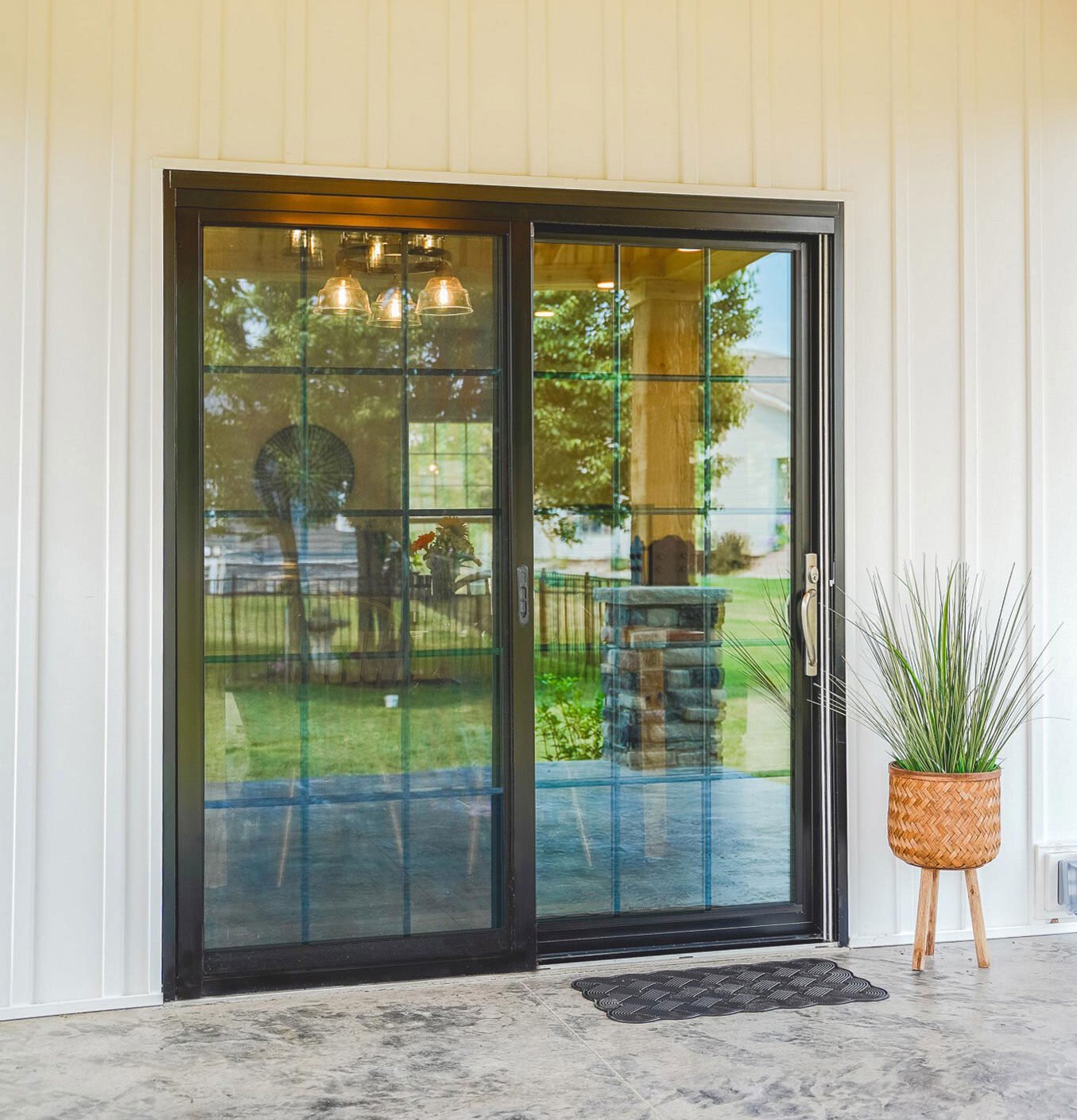
Large glass panels that slide horizontally on rollers. These doors connect your living space to a deck, patio, or backyard. The appeal is obvious—lots of glass, clear views, and easy access when you're carrying things in and out.
The way sliding patio doors work creates specific weak points. Panels glide on rollers inside a track. If the rollers wear out or the track gets dirty, the door drags and the weatherstripping doesn't compress evenly. That's where air leaks and drafts start. The panel that moves needs weatherstripping along all four edges, and it only seals properly when it closes completely and locks into place.
Glass performance matters more here than on entry doors because you're looking at a much larger area. Solar heat gain affects cooling costs in summer. Low‑e glass coatings and gas fills between panes help manage that heat without blocking your view.
Where sliding patio doors work:
Back decks and patios
Walkout basements
Sunrooms connecting to outdoor spaces
Performance focus:
Roller quality: Worn rollers make doors hard to operate and prevent proper sealing
Track maintenance: Keep tracks clean so panels close completely
Weatherstripping: Replace when compressed or torn
Glass performance: SHGC (solar heat gain coefficient) matters for sun exposure
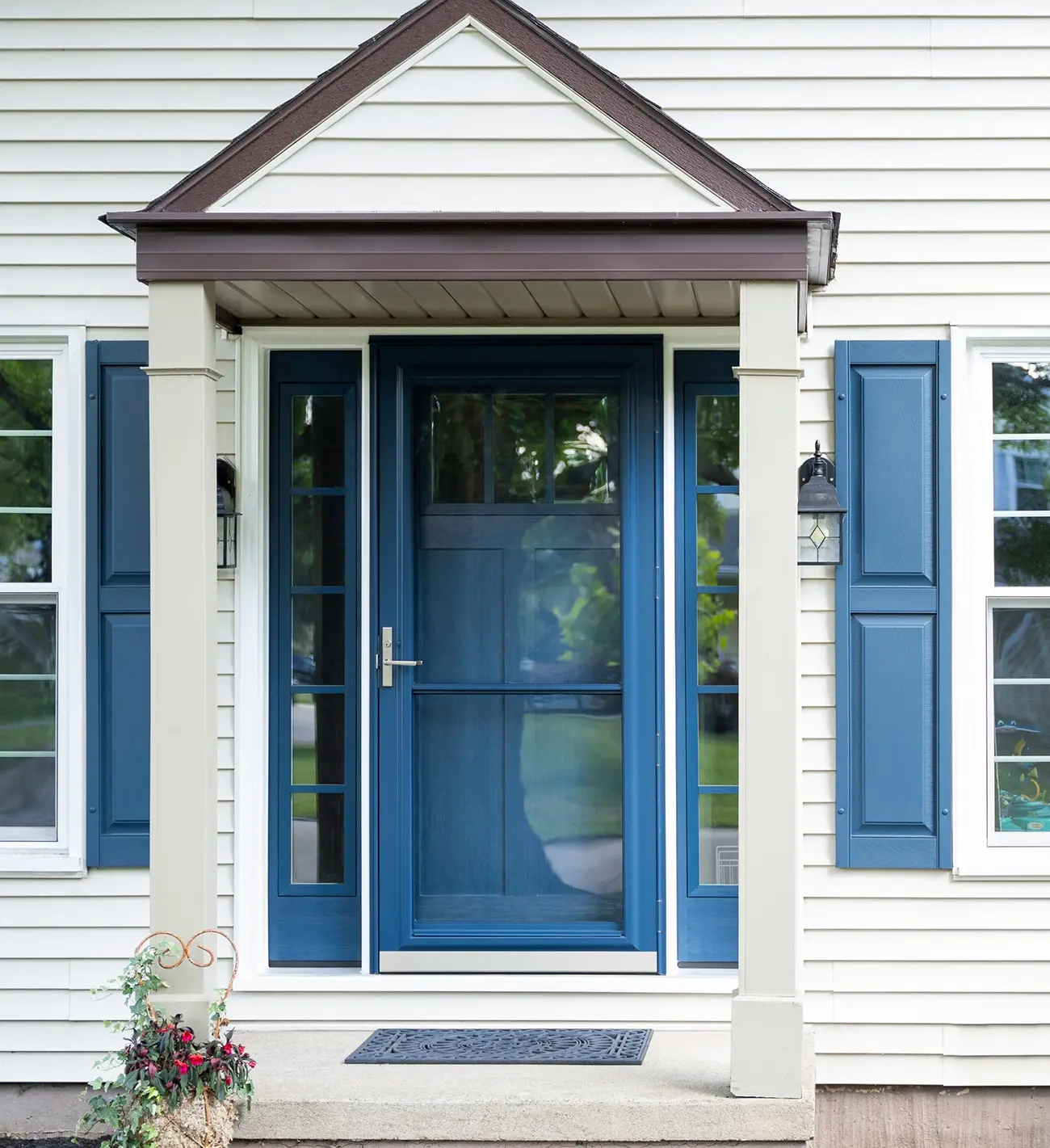
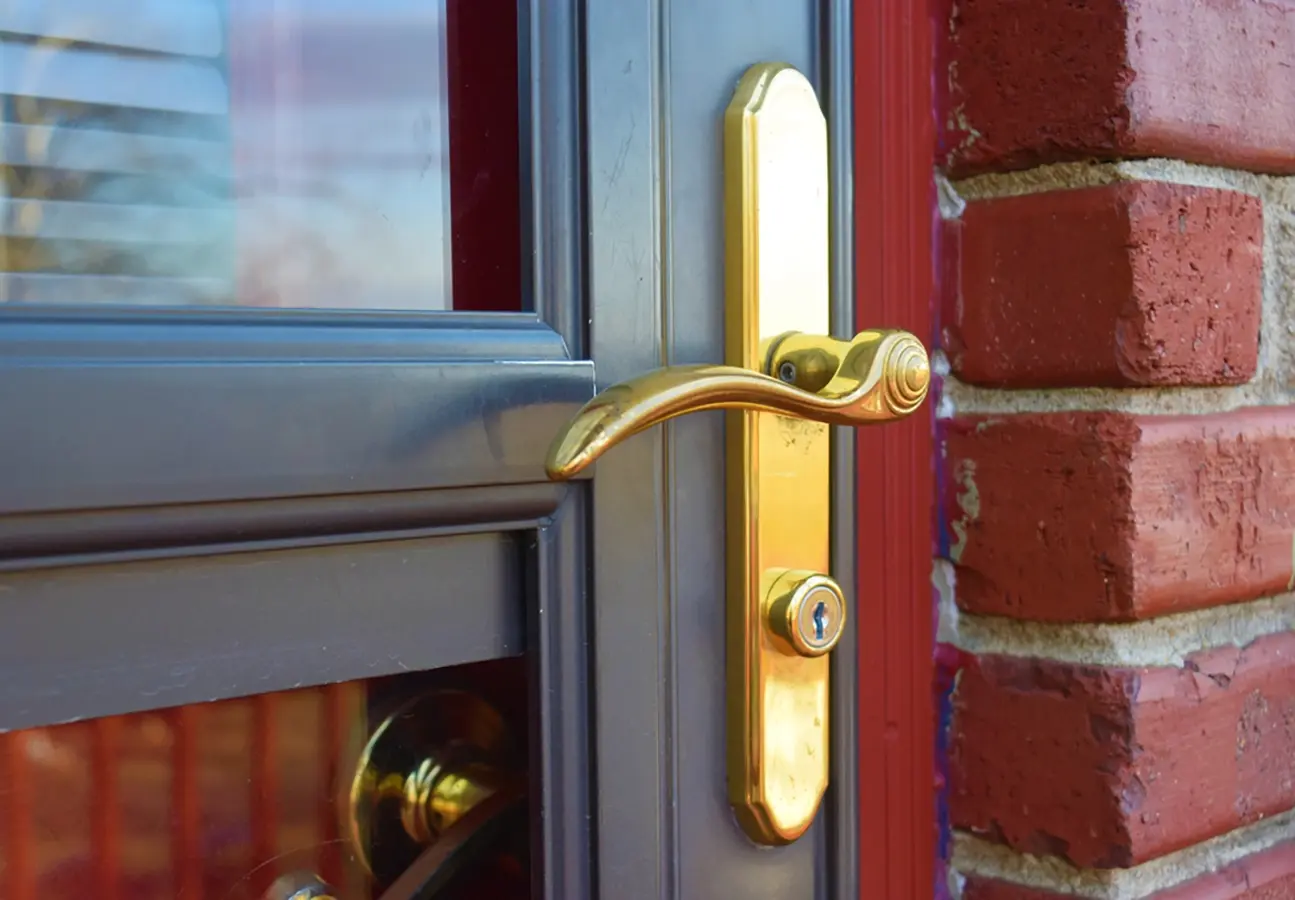
A protective layer installed in front of your entry door. Storm doors typically have interchangeable glass and screen panels so you can swap between them by season. Glass in winter adds an extra insulation layer and protects your entry; screens in spring/fall let you ventilate without bugs.
If your entry gets several hours of direct sun each day, a full‑glass storm can trap heat between the two doors. Low‑e glass on the storm reflects some of that heat away, reducing the risk—always check manufacturer guidance for high‑sun exposures.
Where storm doors work:
Entry doors needing extra weather protection
Homes with harsh winters or strong storms
Seasonal ventilation without replacing the main door
Performance considerations:
Heat trapping: Full glass + direct sun can damage finishes; use low‑e glass
Ventilation: Interchangeable panels let you control airflow
Protection: Adds a barrier against weather and reduces wear on the main door
Sidelites and transoms bring more light without enlarging the door. Ensure continuous weathersealing at joints to prevent leaks.
Hardware
Handlesets, deadbolts, and multi‑point locks affect both look and performance. Multi‑point locks engage at top/middle/bottom to ...
Finishes
Factory‑painted/stained doors arrive ready to install and typically last longer than field finishes. Primed doors need painting ...
Comfort: Fit & Air‑Sealing Basics
Weatherstripping on doors reduces drafts and HVAC run‑time. Replace compressed or torn strips. On sliders, keep tracks clean so panels close completely and seals engage all around.
Quick check: Close the door and feel along all four edges. Any airflow indicates a seal or fit issue that’s worth fixing.
What Homeowners Are Saying
We had siding replaced on one of our rental properties and were impressed by how quickly and professionally it was done. Tenants are happy and the building looks great.
Online Roof Replacement Cost Calculator
Whether you need a secure entry, a high‑performance patio slider, or a storm door for added protection and airflow, understanding the differences helps you decide with confidence.
Start with a free estimate. We’ll explain performance ratings and help you match style, function, and budget.