Where do double-hung windows
work best?
Bedrooms & traditional facades
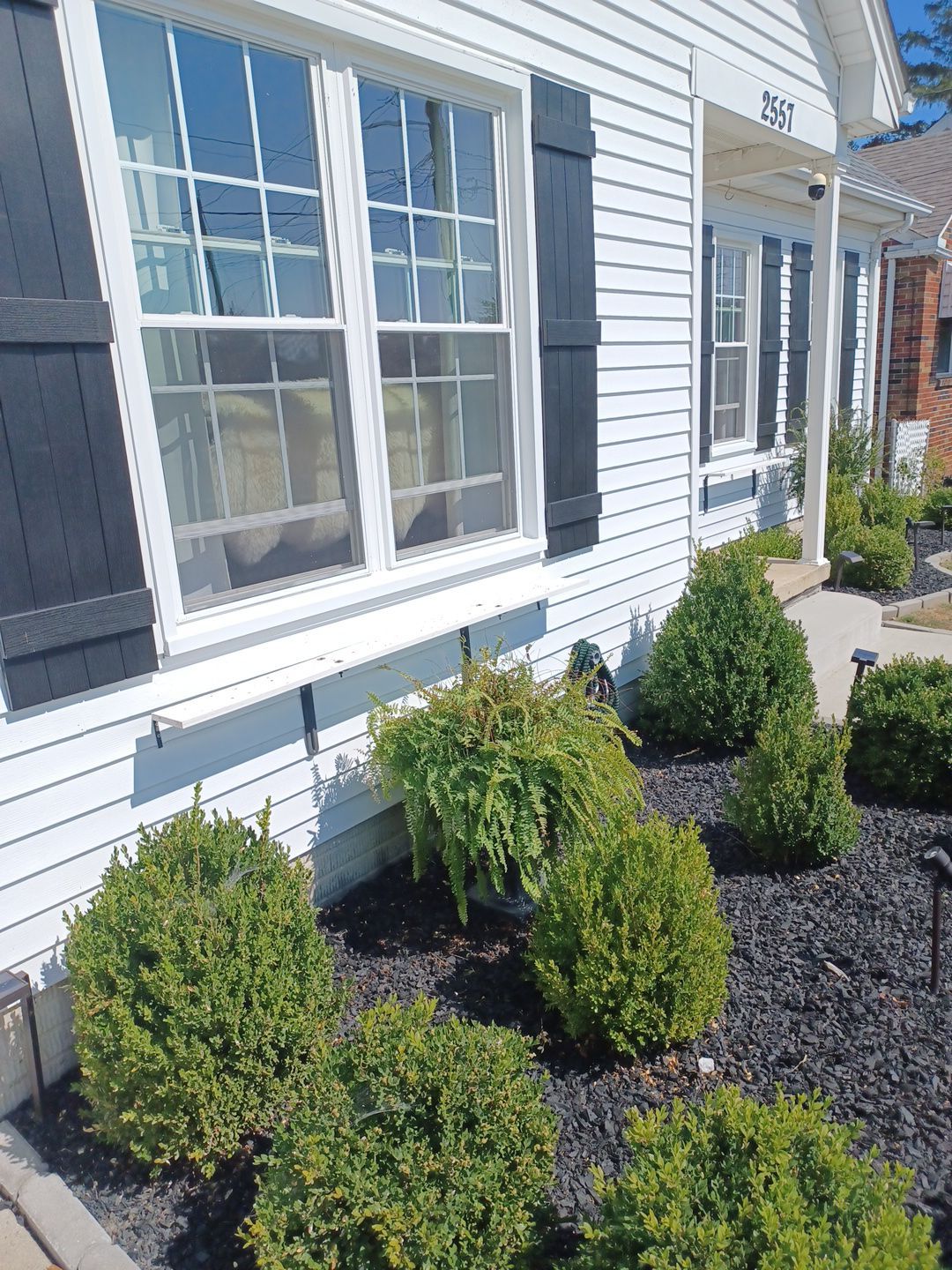
Classic vertical lines suit colonial/farmhouse styles. Use top and bottom sashes for balanced airflow.
First-floor living areas
Pair with picture windows—light from the center, ventilation from the sides. Works near furniture; no inward/outward swing.
Second-story locations
Tilt-in cleaning (when included) reduces ladder use for upper floors and hard-to-reach windows.
When other styles might work better
Tight exterior clearance: sliders offer wide openings with a horizontal look. Lowest air leakage & max ventilation: hinged casements/awnings typically outperform.
Energy‑efficient features
(nfrc-only)
Modern vinyl double-hung windows can include
- Double- or triple-pane glass — more layers, better insulation (triple adds weight/cost).
- Low‑E coatings — reflect heat; keep interiors comfortable without darkening rooms.
- Argon/Krypton gas fills — slow heat transfer between panes.
- Warm‑edge spacers — reduce edge heat loss and condensation.
- NFRC label tips: lower U‑factor and (where shown) lower AL = tighter/warmer; SHGC & VT depend on goals and climate.
Operation &
care
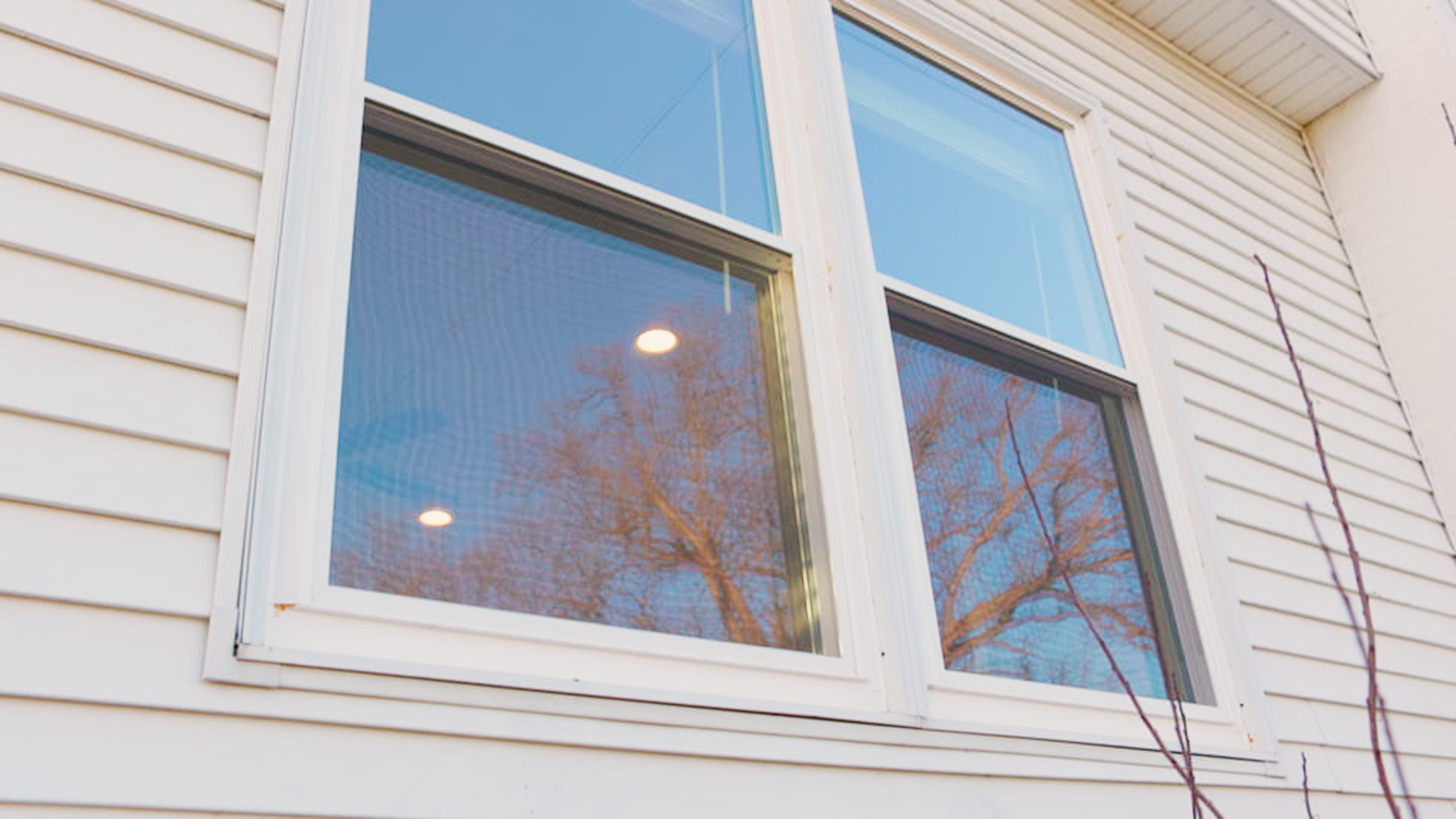
- Use top sash to exhaust warm air; bottom to draw in cooler air; both for cross‑ventilation.
- Lock after closing for best seal.
- Tilt‑in cleaning (when equipped): unlock, raise a few inches, tilt in, clean both sides; repeat for top sash.
- Maintenance: brush/wipe tracks; inspect weatherstripping yearly; silicone‑based lubricant; standard cleaner or vinegar‑water for glass.